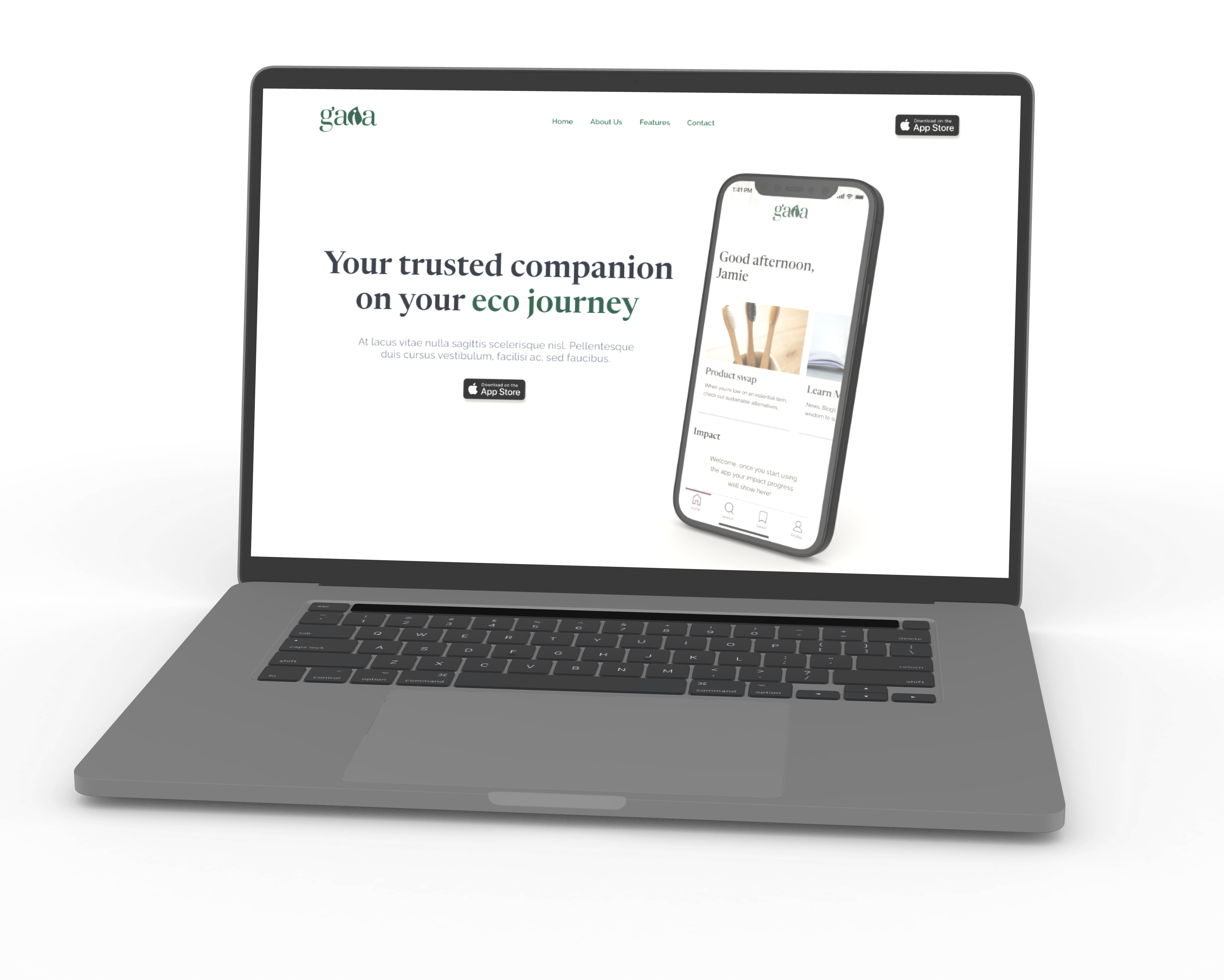
Gaia

UX Design - Solo project
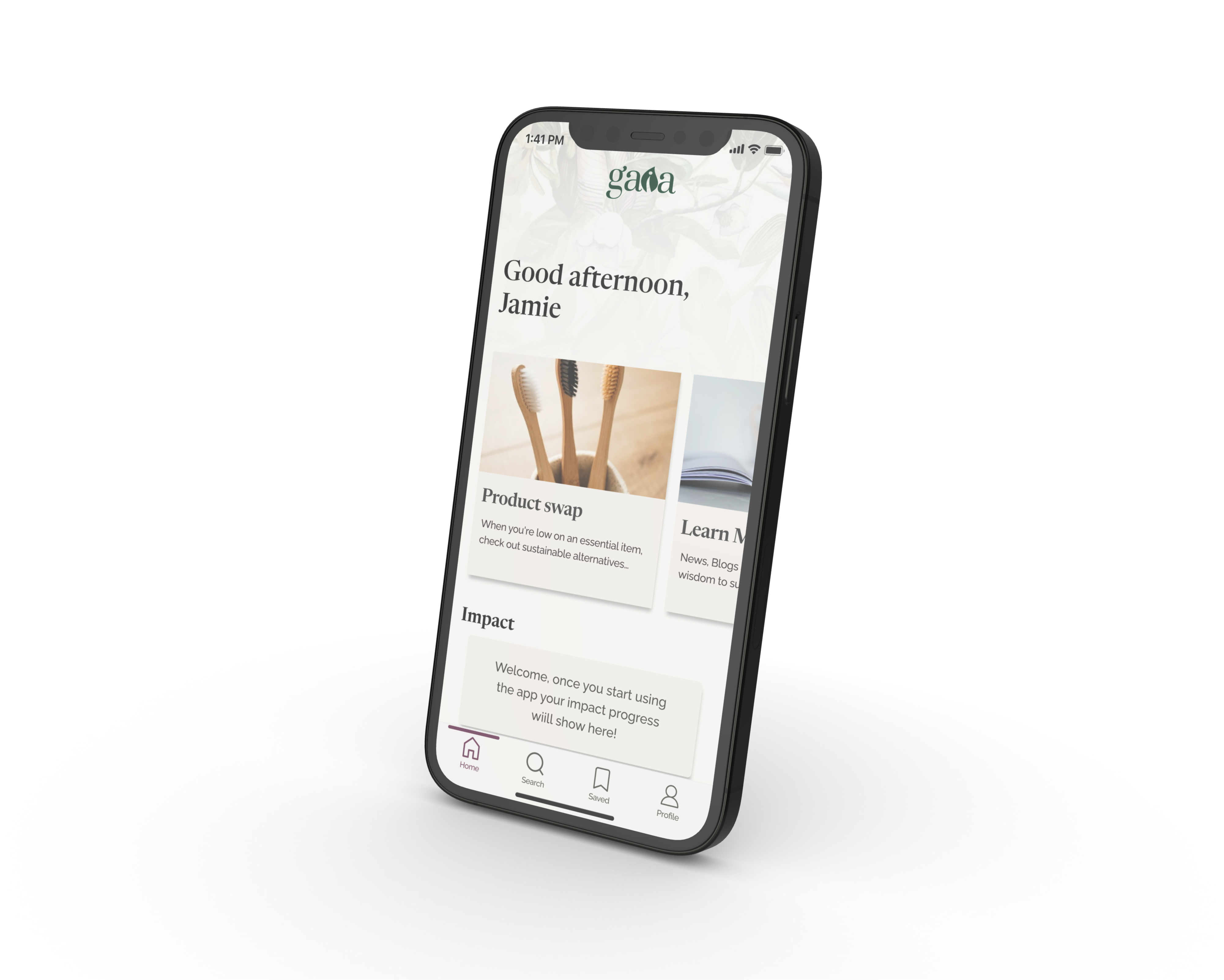
Gaia is a mobile app companion to support users on their journey of sustainable living by being a convenient source of accurate product information and recommendations. It allows users to quickly find sustainable alternatives to their current products.

Overview

Role
UX/UI
Research
Strategy
Design
Timeline
8 weeks
May - July 2022
Tools
Figma
InVision
‍
The Project's Beginning
After spending years living in downtown Toronto, COVID and family obligations forced me to slow down and return to my hometown. This meant spending the better part of two years surrounded by nature and sparked my quest to protect the environment and minimize my own negative impacts on it. 

It started with small changes in my own life, trade offs like bringing a reusable cup to get coffee. However, after losing a cup after just over a week, I wondered whether the overall environmental impact was positive. Had that cup cost a lot more to create and just ended up in a landfill? How many uses did it take for that cup to be net positive? 

When a couple of friends expressed similar frustrations around determining the value of their sustainable lifestyle changes, I knew it was time for some research. I wanted to see if other people had figured it out, what obstacles they encountered, and what could be done to improve the experience. 

With eight weeks and an opportunity to create an app prototype, my goal was to find a way to make it easier for individuals to be aware and informed of the choices that are in their control. As much as governments and corporations are the main characters in the future of climate change, it all comes back to where the dollars flow.  

My thinking was that when individuals are better informed, they have the confidence to act and become more conscientious consumers. Reducing eco-anxiety, indecision, and confusion for individuals could have both direct and indirect influence on the issue of climate change.

Method

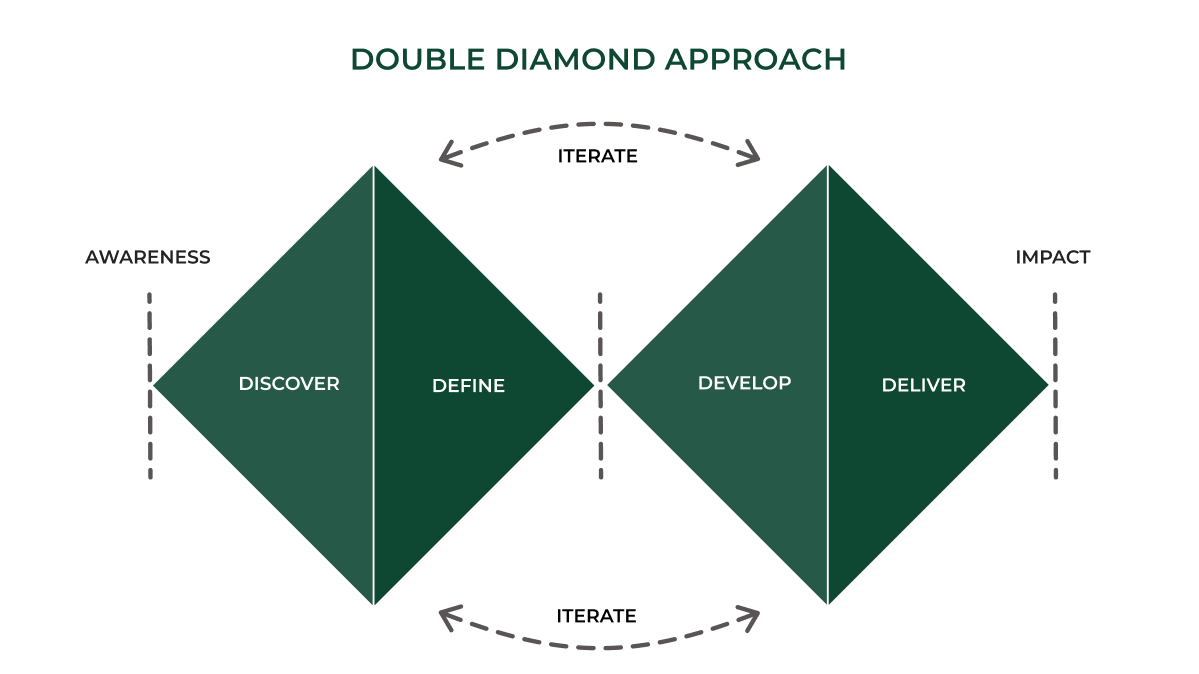
I used the double diamond method to structure my approach and ensure I was designing for my users.   

Discover

Secondary Research
As I started researching, I quickly uncovered a ton of existing research and articles highlighting the growing problem known as ‘eco-anxiety’ or ‘climate anxiety’.

This research suggested that ‘climate anxiety’ is rampant and attributing to worsening anxiety among Gen Z and Millennials, in particular. It asserted that taking action to reduce individual environmental impact would improve individual climate anxiety. 

Initially, I wanted to solve this ‘climate anxiety’ problem. However, given the valid fear of living in the future where climate change has gone unchecked, to truly resolve the anxiety you would need to solve climate change issues more generally. This felt a touch out of the scope of my eight-week project.

Further, climate change is a problem for everyone, not just those who report anxiety. As a result of these realizations, I decided to broaden my scope and include all those who reported interest in climate change and sustainability. 

In addition, research showed that Gen Z and millennials reported the highest climate change concern as well as willingness to make changes. This group, more broadly, became the focus of my case study.
Initial Interviews
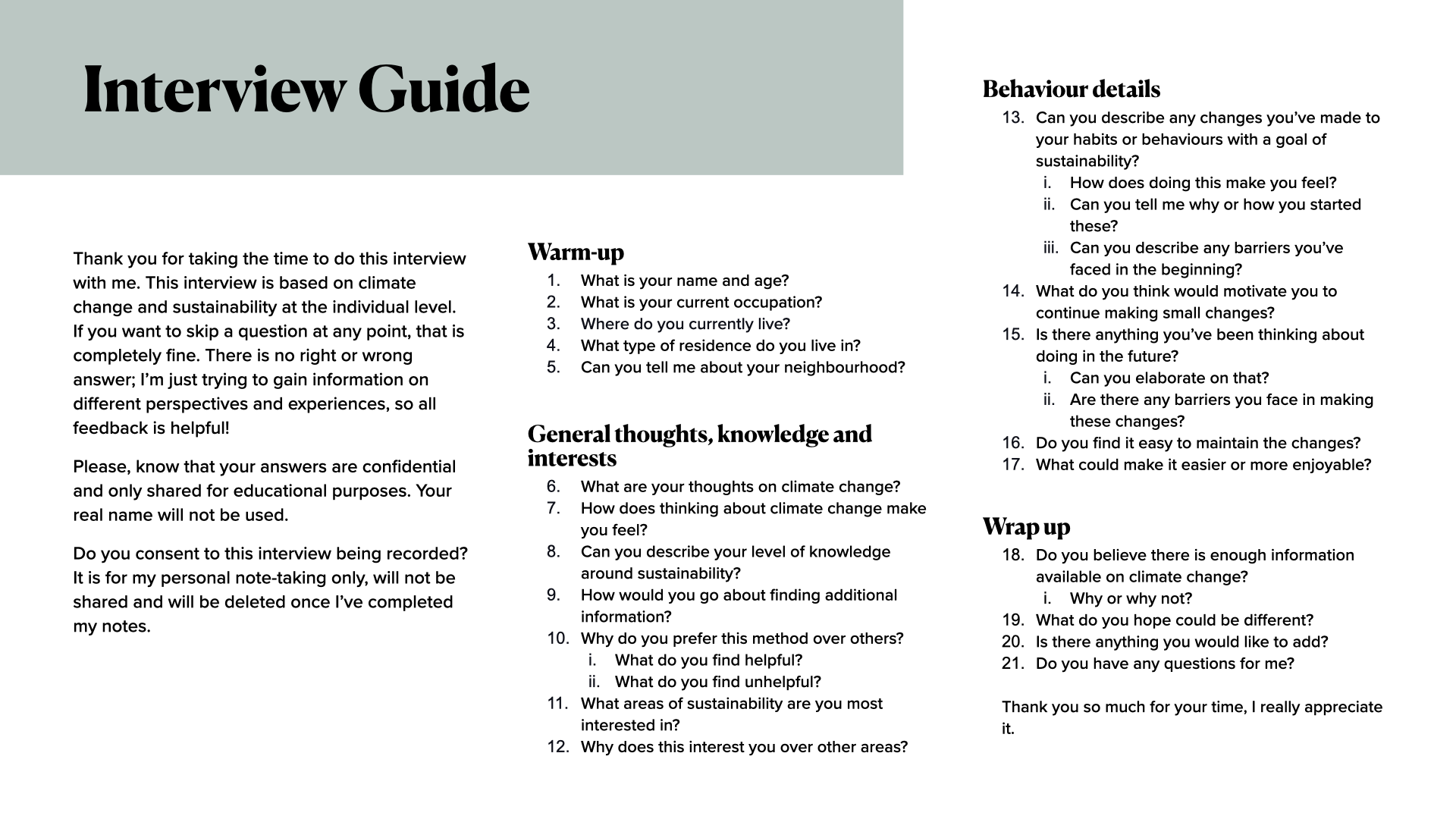
To gather tangible information on Gen Z and Millennial barriers and motivations to making sustainable lifestyle choices, I had to sit down and interview some real people.

Given the paths an individual can take to make lifestyle changes are vast and varied, I sought to pinpoint specific areas that my demographic is most open to changing in. To gain this understanding, I crafted interview questions that were open and unbiased, to tease out commonalities.

I recruited interviewees in the target demographic of 18 to 41 who had a pre-existing interest in personal sustainability and climate change.
Results
I was able to interview three people, all in their early- to late-30’s (2 US, 1 Canada). They had a range of knowledge on the topic of sustainability, self-reported as fairly advanced to very little. Since they all expressed an interest in sustainability, they fit the participant criteria.

While the interviews offered some good insight, there was not a lot of coherence. 

While this can, at least in part, be attributed to the small sample set, upon completing the interviews, I realized the criteria was not targeted enough. All three interviewees had an interest in sustainability, but they hadn’t all tried to make changes in the past. As they had not all been through the process, I didn’t have the complete picture of pain points, motivations and behaviours required to move forward. 

In the interest of time, I created a survey to fill in the gaps in information and shared it online.  I received 7 responses by the time of synthesis. 
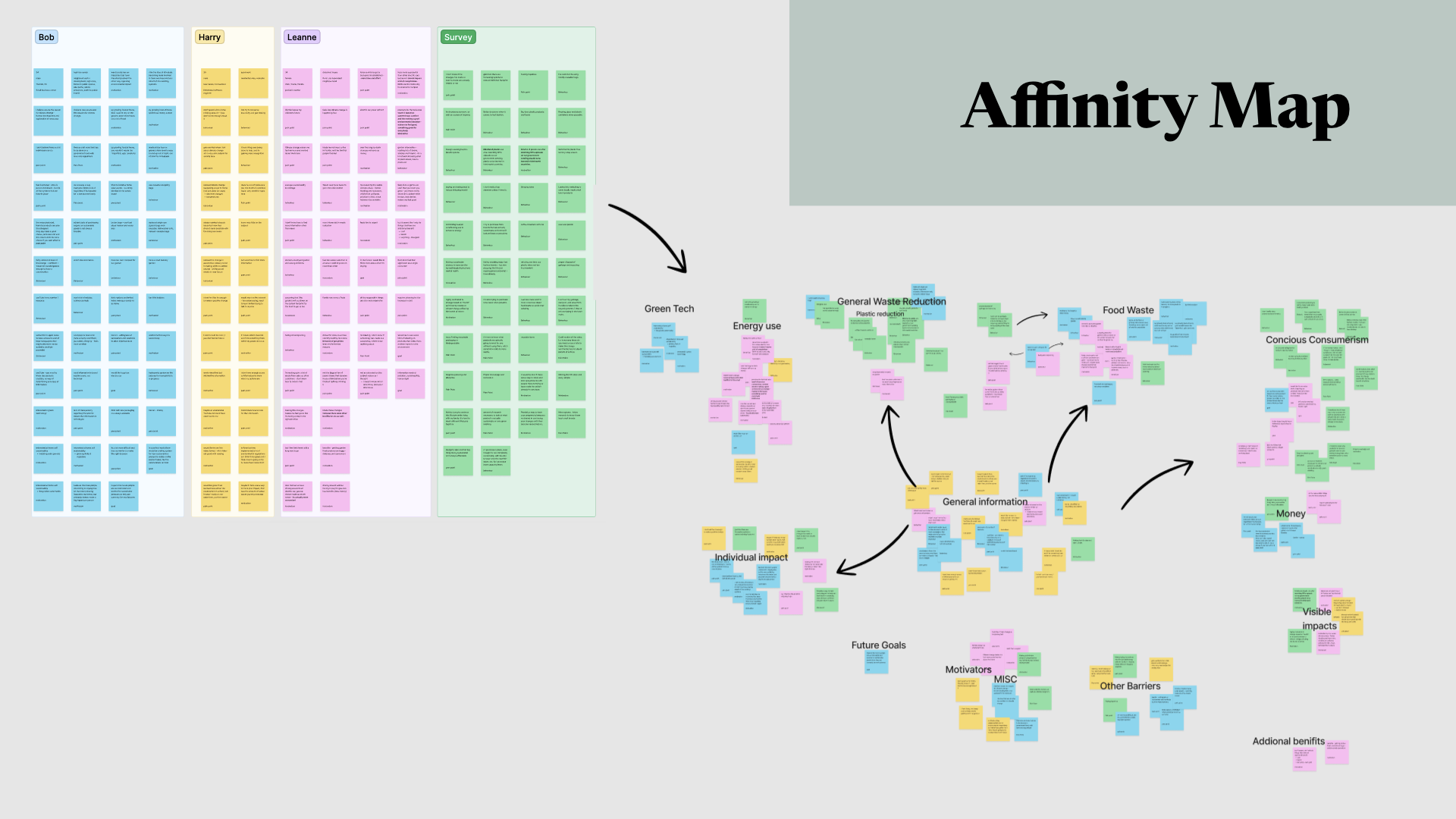
Affinity Map
With all the interview and survey data points, I organized them in an affinity map, first by pain point, motivations, behaviours and then grouped them by theme.

The first attempt failed to make sense when I tried explaining to a friend, so I started over and ended up with the following themes:

General Information
Conscious Consumerism
Waste Reduction
Food Waste
Individual Impact
Conscious Consumerism
Overall, this topic received the most attention in both interviews and the survey. It’s an area where anyone could make even one sustainable product swap with better information.

General Information was the other contender. However, the scope is too broad for the context of 8 weeks. Ideally, the solution starts with Conscious Consumerism and expands, category by category, until it solves the information problem.

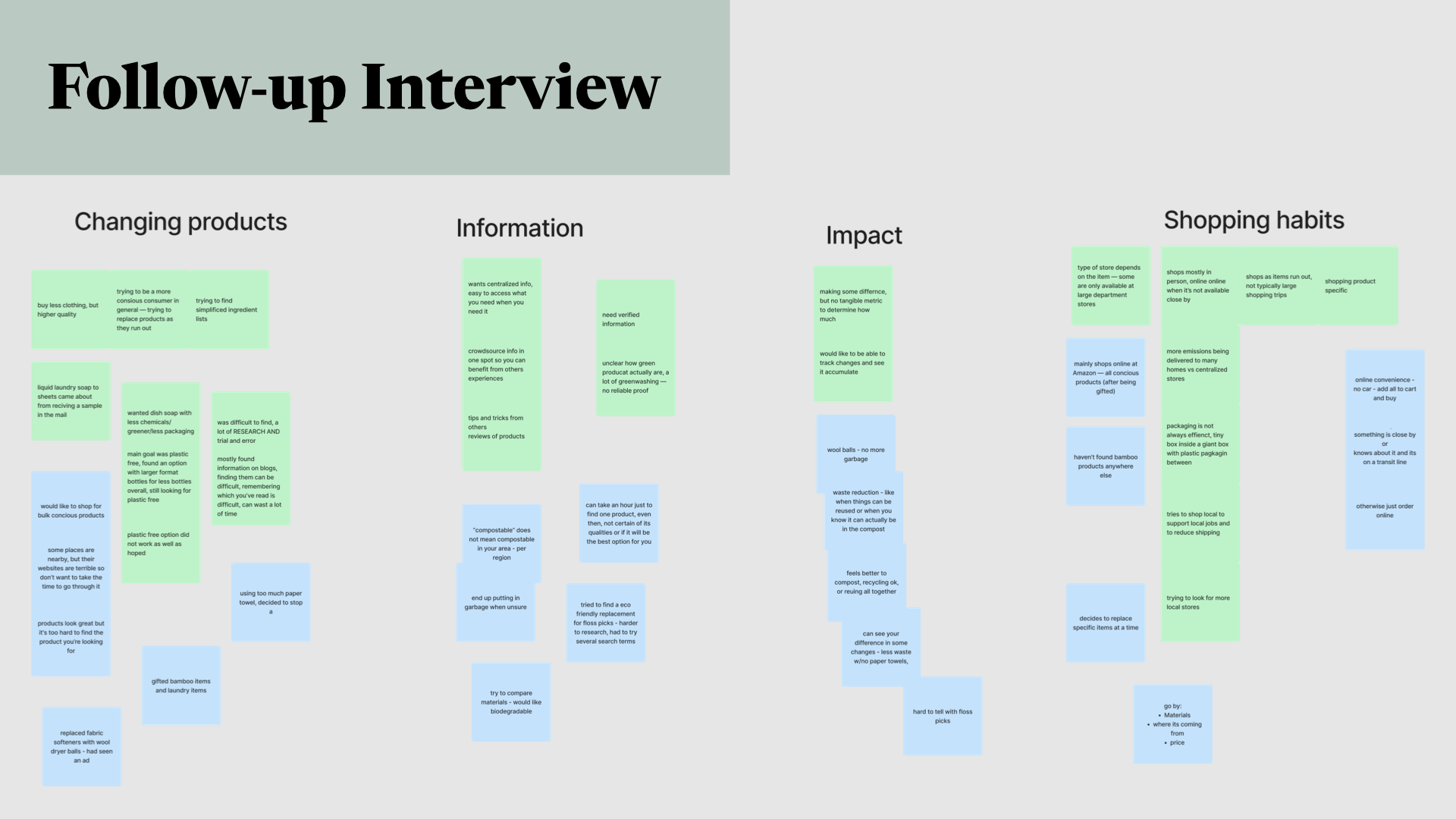
With the direction narrowed, I decided to follow up with some survey respondents with targeted questions related to their current shopping habits and their frustrations and motivations and combined these into my affinity map.
Follow up Interview
From the survey respondents, 3 provided their contact information for follow-up, so I set up interviews to learn more about their general shopping habits - where did they shop, how often, and why.

And then explored how their desire for sustainable goods fit in.
How Might We...
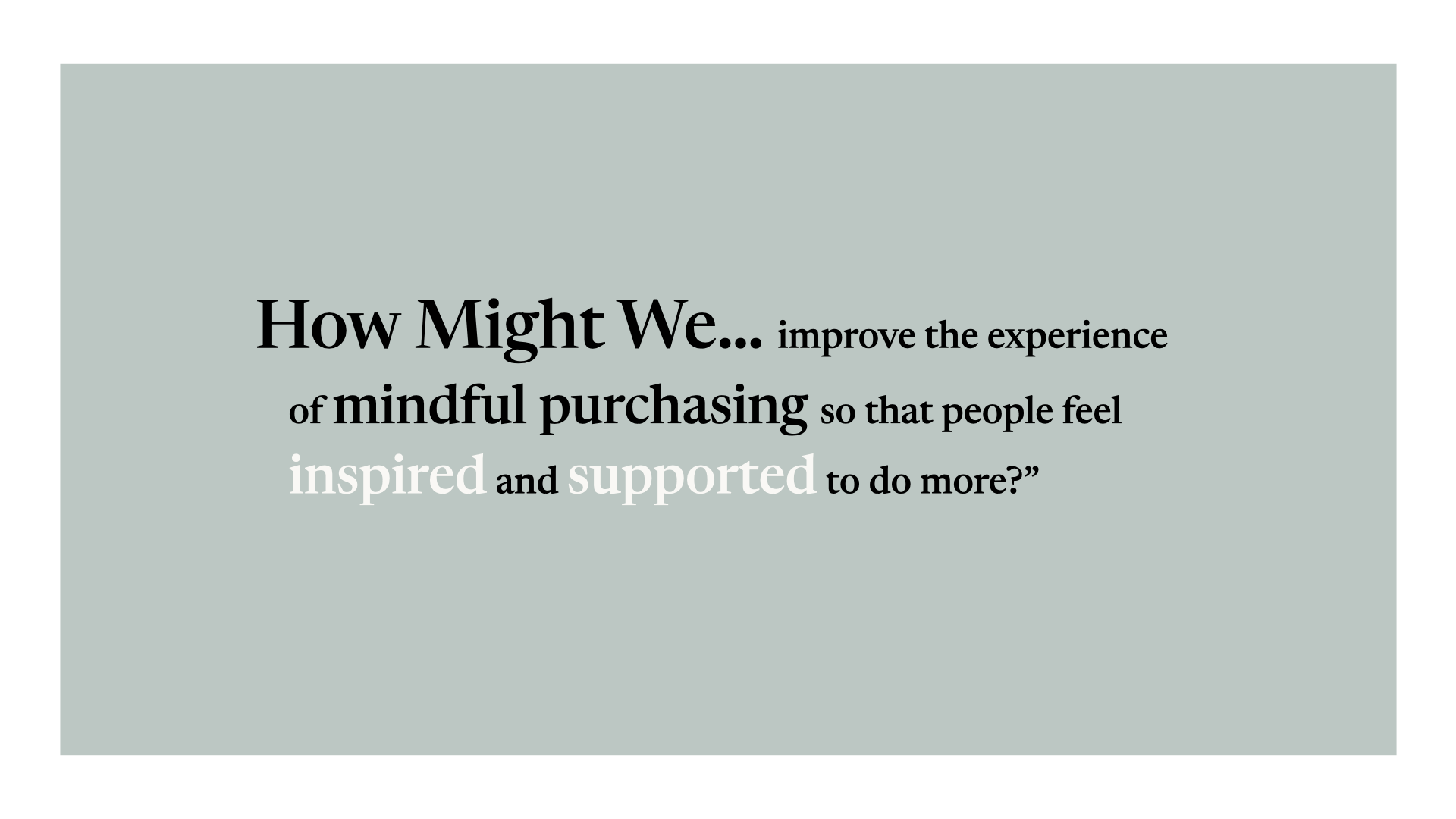
From my research and user interviews, I narrowed my focus on the following problem:
How might we improve the experience of mindful purchasing so that people feel inspired and supported to do more?

Define

Persona
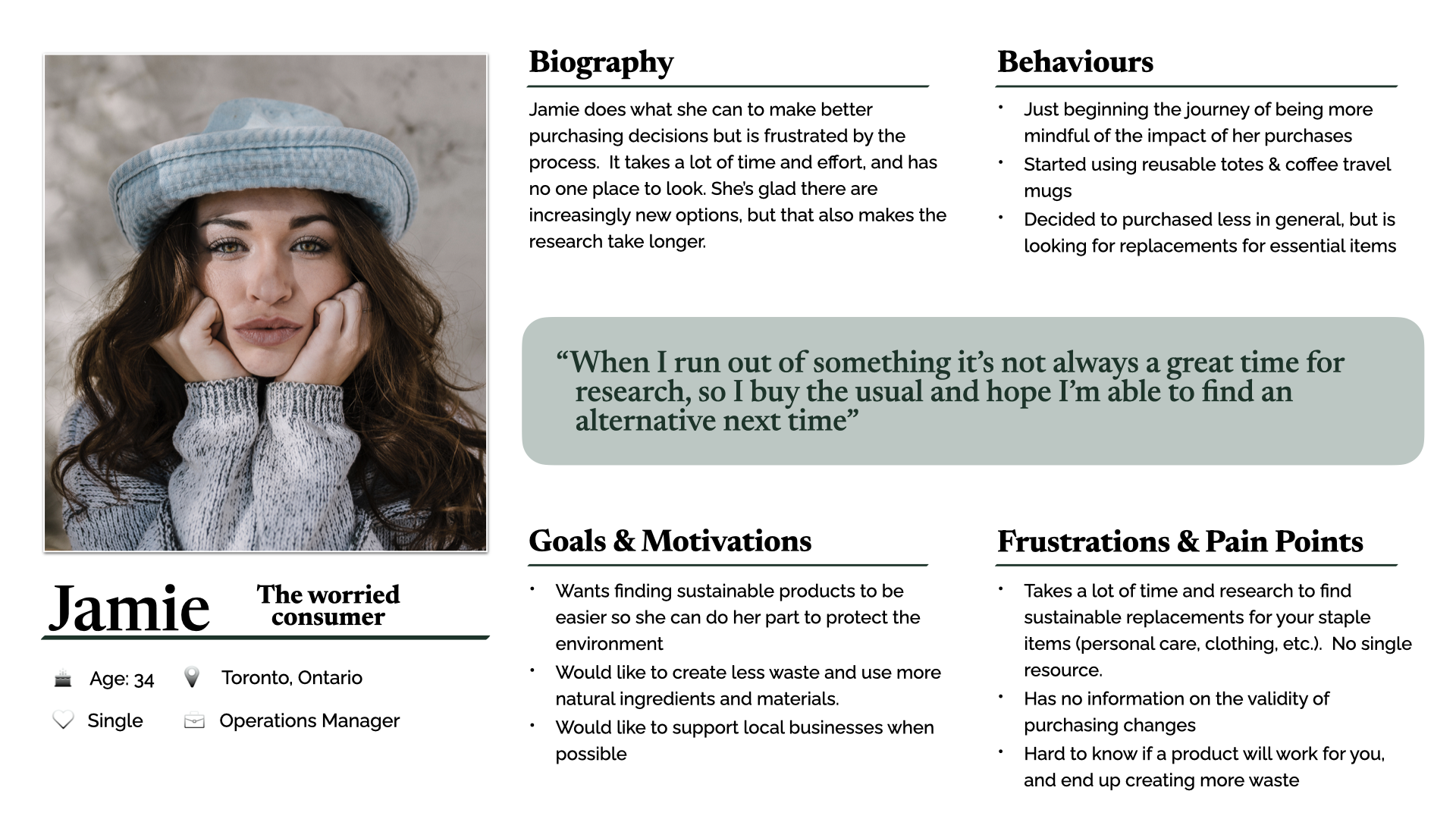
I created a persona to give myself a humanized reference for the frustrations, motivations and behaviours described by my interviewees. Having this reference while designing helps to keep the users goals in mind.
User Stories
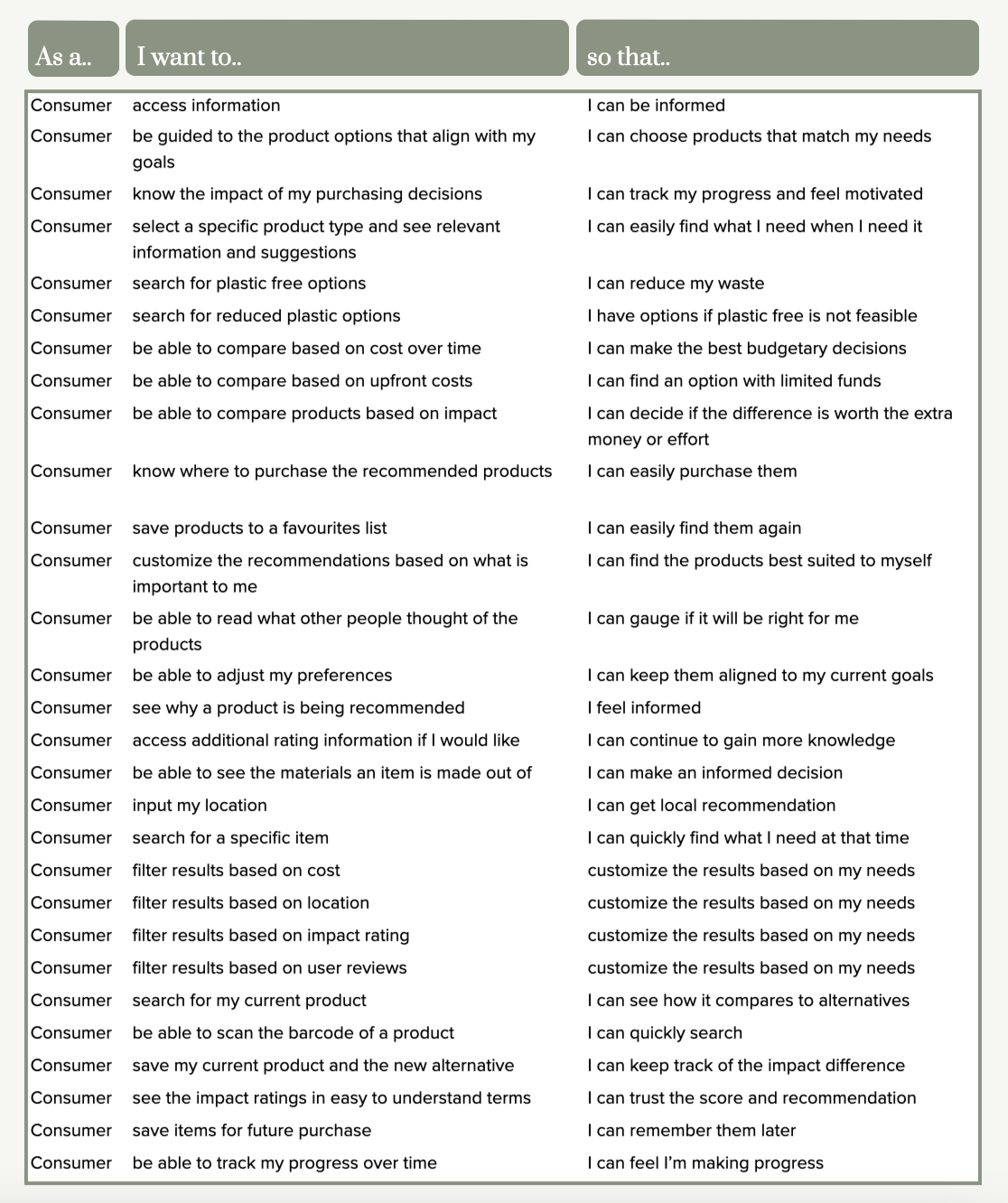
With my research synthesis and persona of Jamie in mind, I began to define the functions of the solution to resolve her pain points.

To do so I created user stories which define functionality in the form of as a “user” I want to “complete an action” so that “I can achieve a desired result.”
Epics
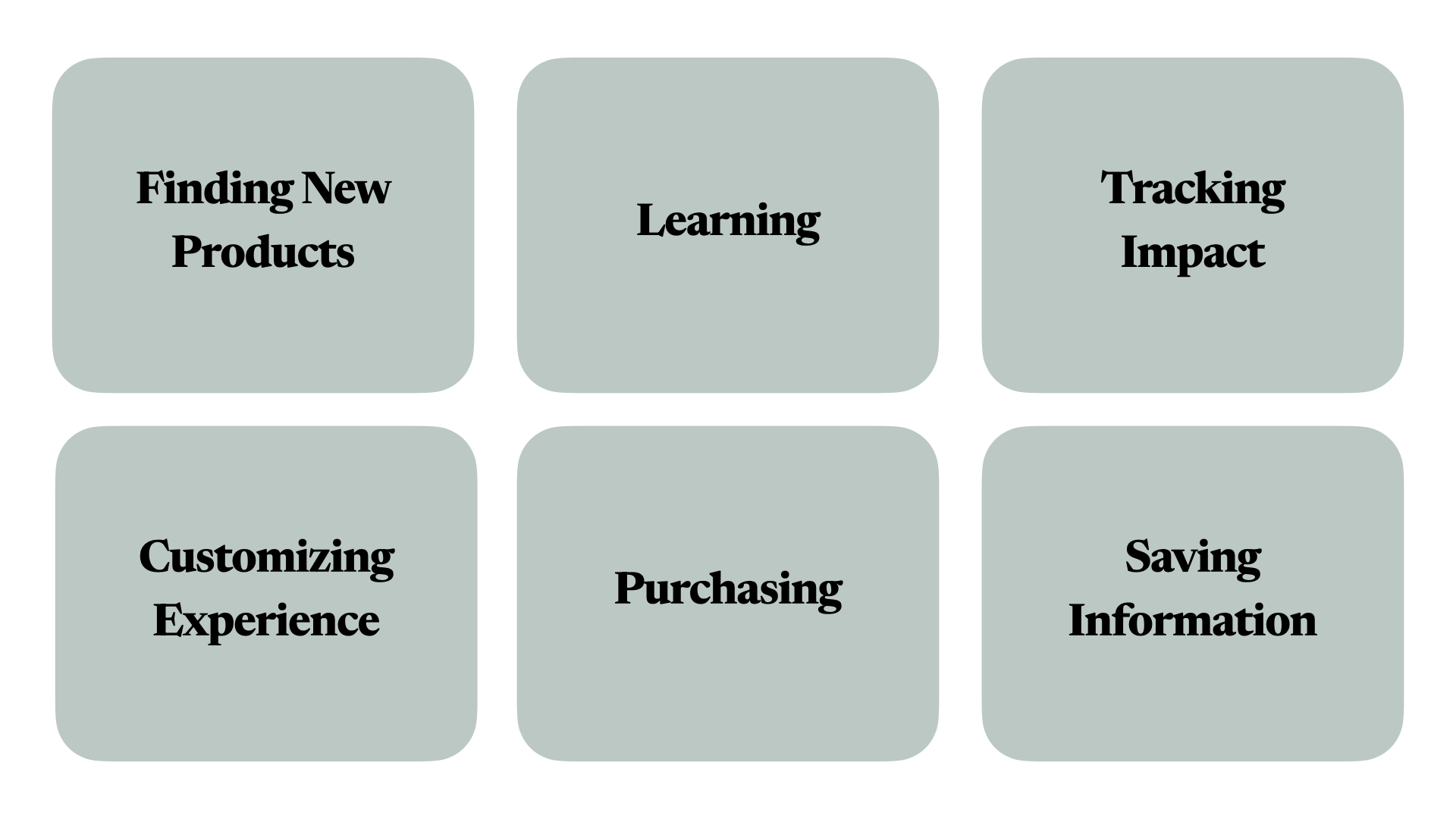
I then grouped the user stories into Epics based on related functions.
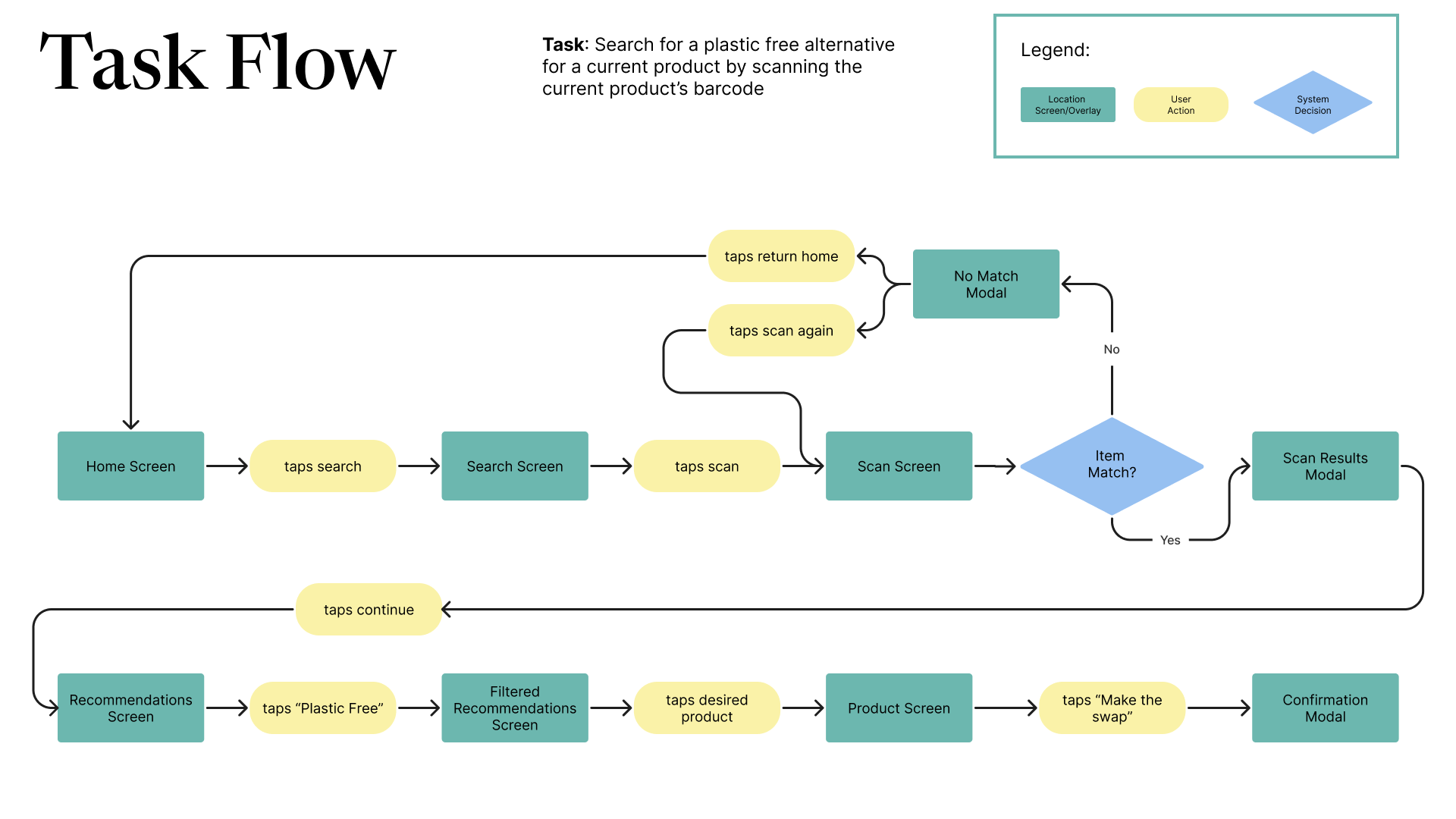
Task Flow
Considering Jamie's main pain point of not having the time to research, the epic I chose to focus my task flow on Finding New Products.

The task flow is the the flow Jamie will take in the solution to achieve her goal of finding a sustainable alternative for her current product.

Develop

UI Inspiration
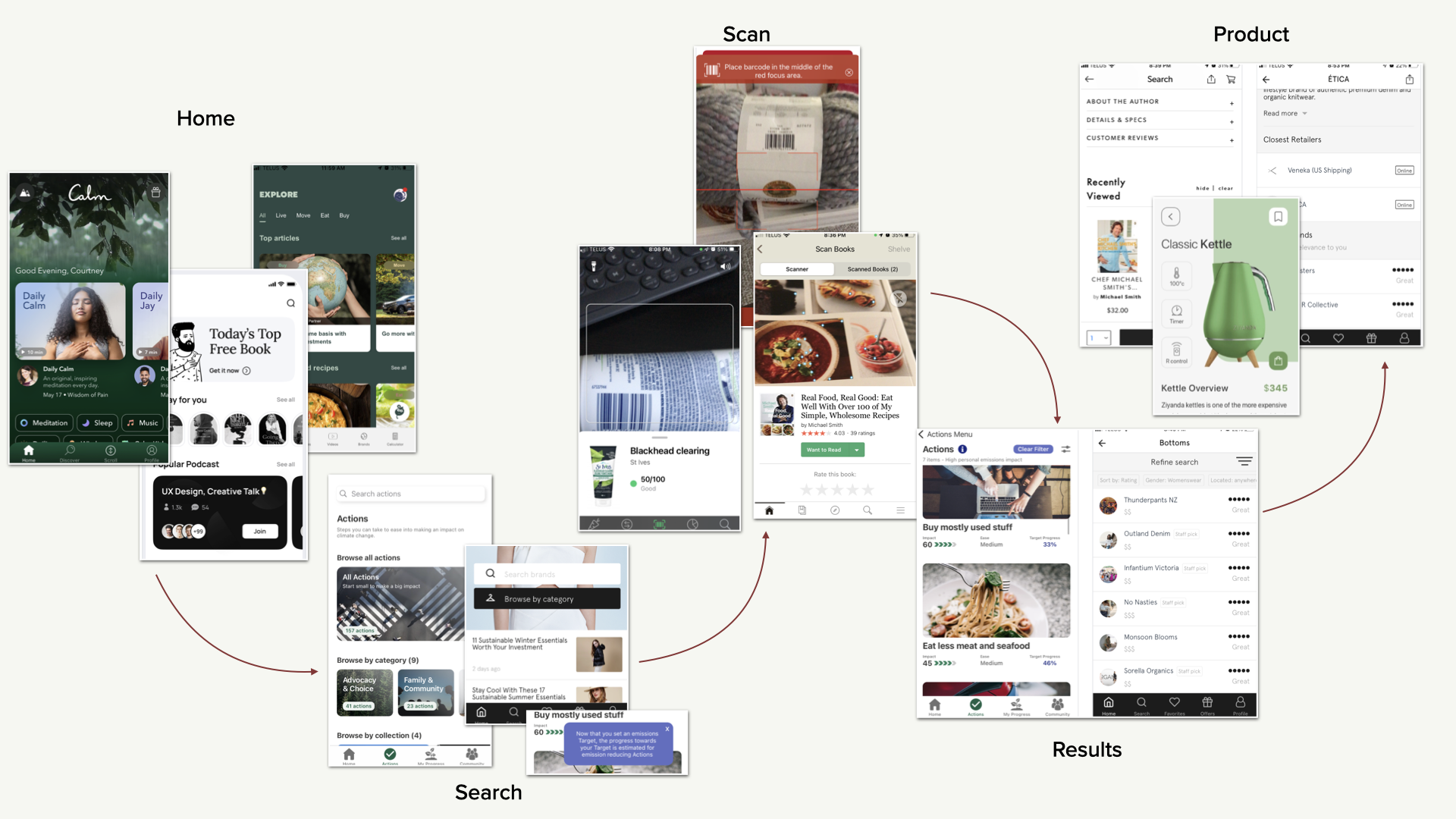
With my task flow in mind I gathered UI inspiration to help me design the screen functionalities and types of components.

For the home screen I liked that these examples gave an overview of the app functions, highlighting relevant information, all without being overwhelming.  Since this app is meant to be your personal guide I think the personalized message is important. 

With the search screen, I wanted to incorporate the many ways people shop.  Sometimes they’re looking for something specific by name or even barcode, however other times they may just want to browse to see what is out there.  I liked these options for the way they showed multiple options in a visual way.

I selected these scan examples as they displayed on screen instructions and feedback while in the scanning process. 

For the results screen I was looking for ways to display ratings and key information without users having to go into the full details for each product.

With the product details screen, I liked the way these options had a lot of information, but kept it organized and hidden - does not overwhelm but still provides access to the information
Full UI Board
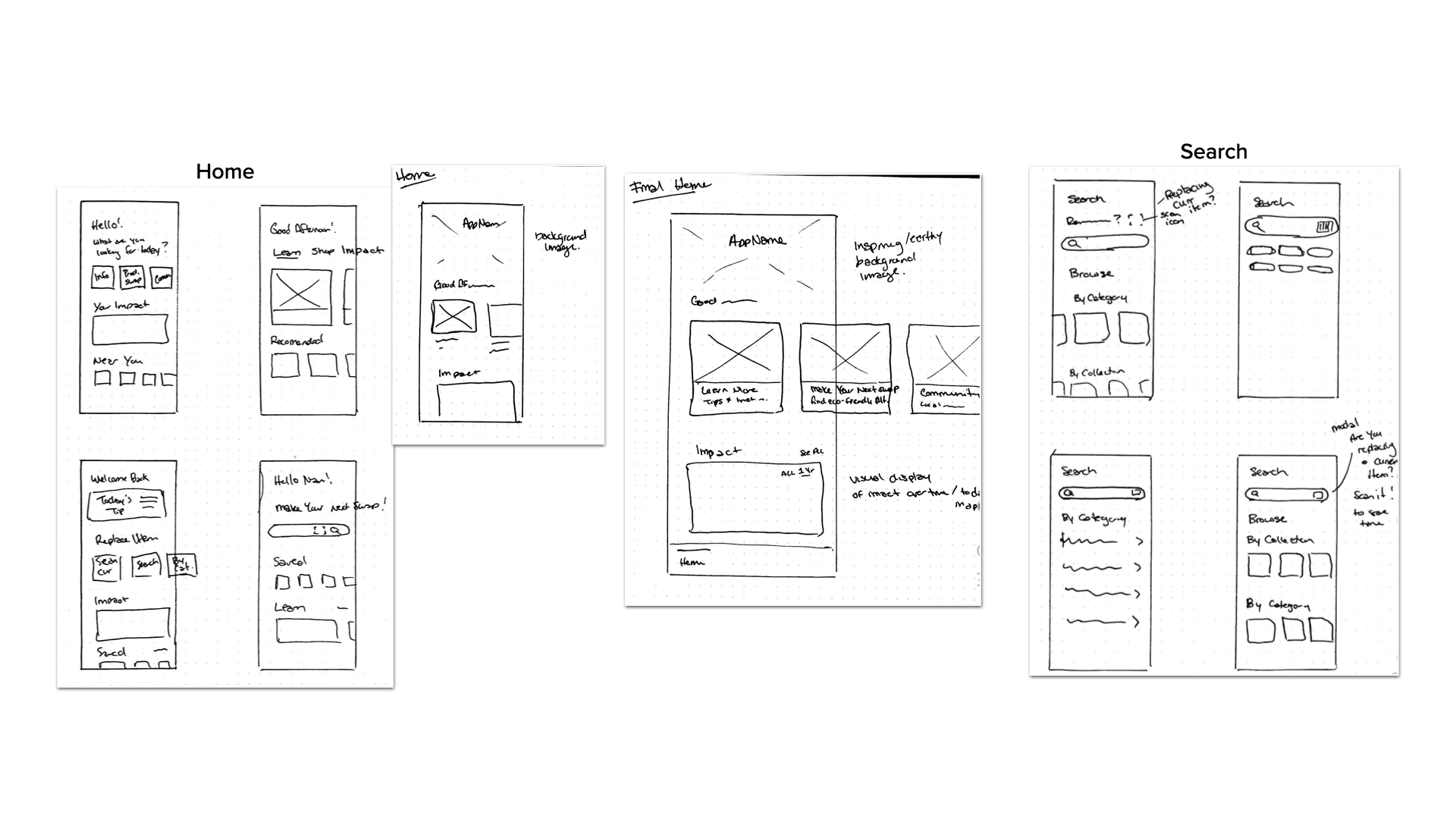
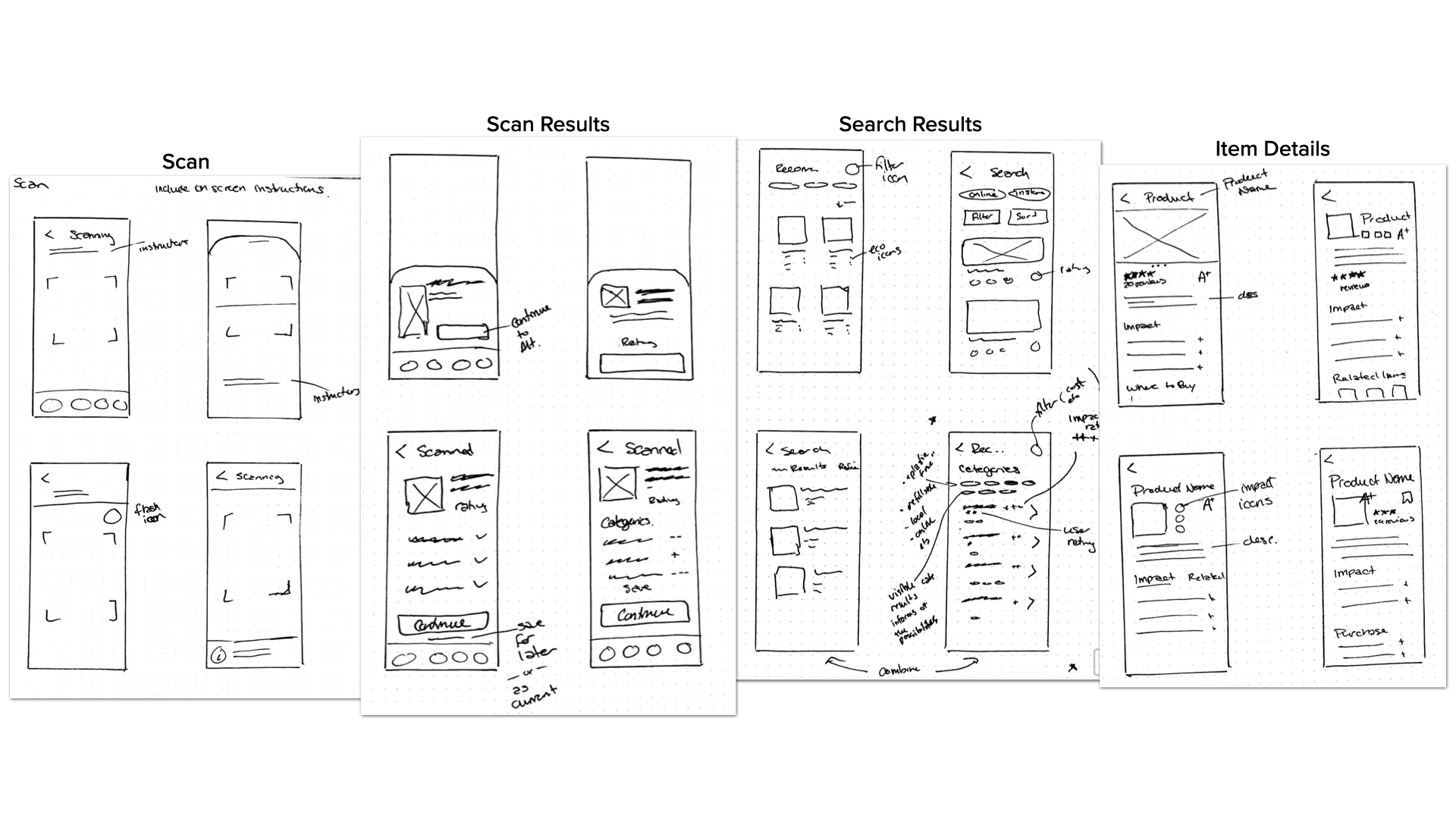
Sketches
Based on the gathered UI inspiration, I began sketching possible screens.
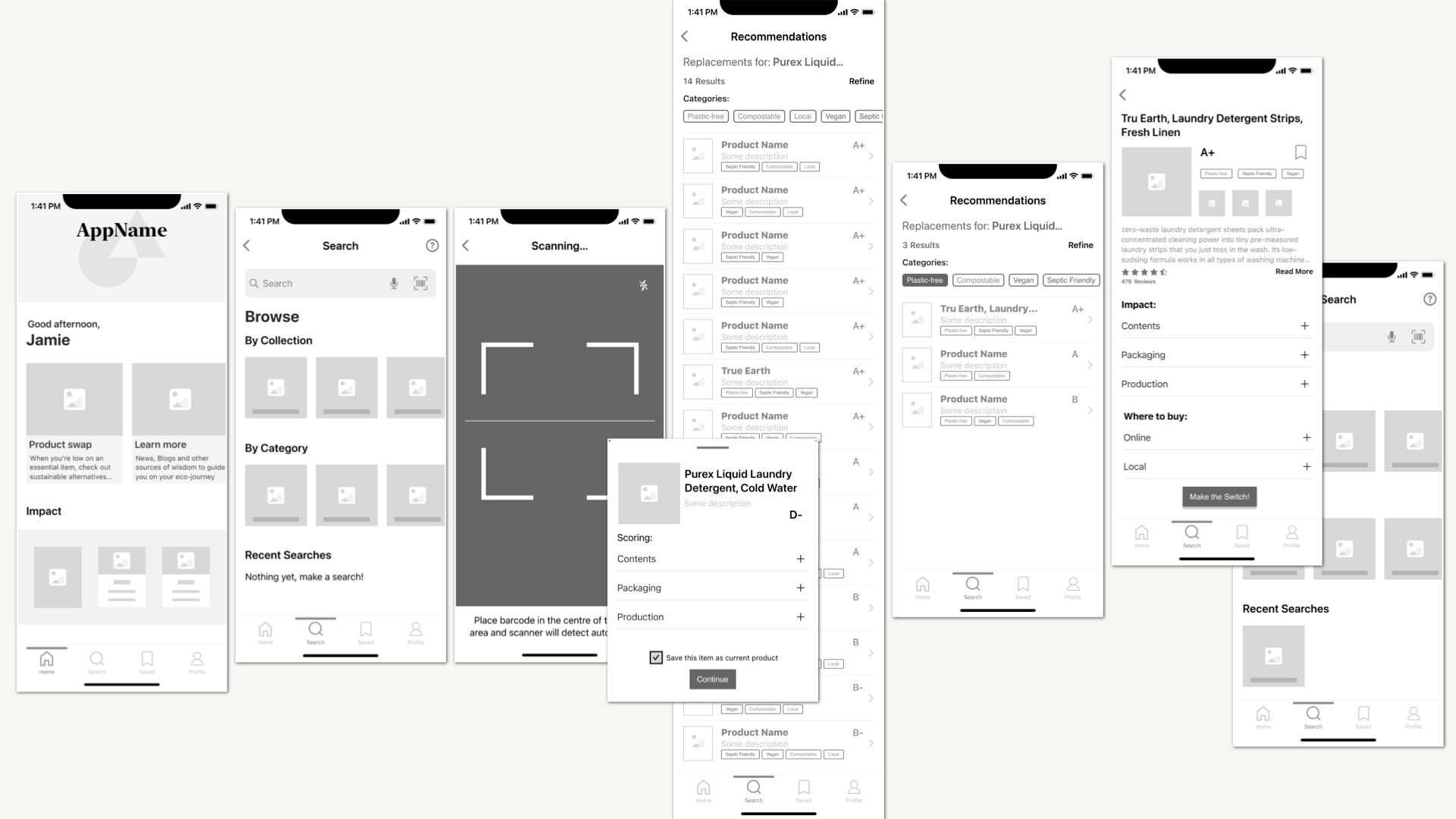
Greyscale Prototype
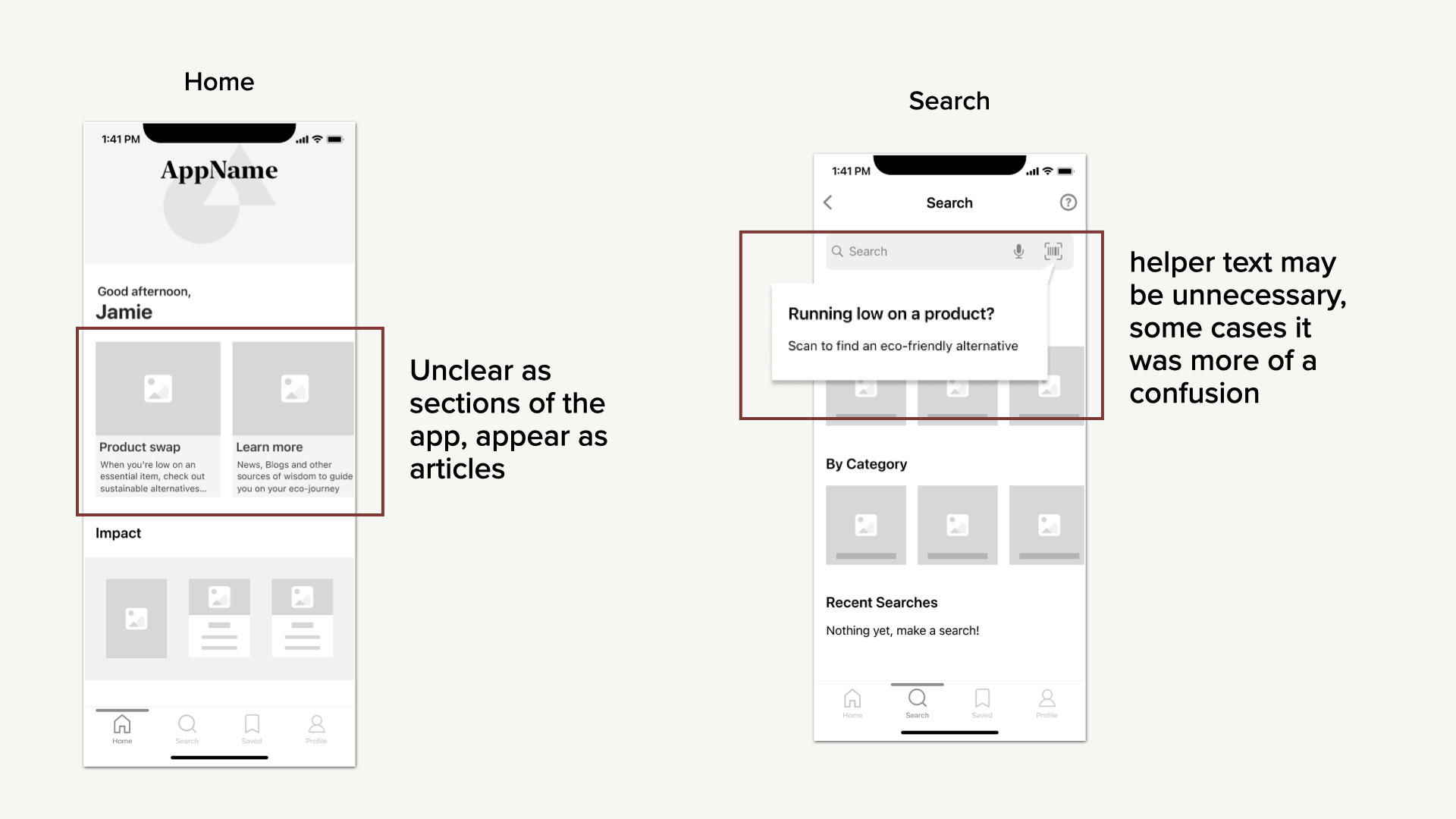
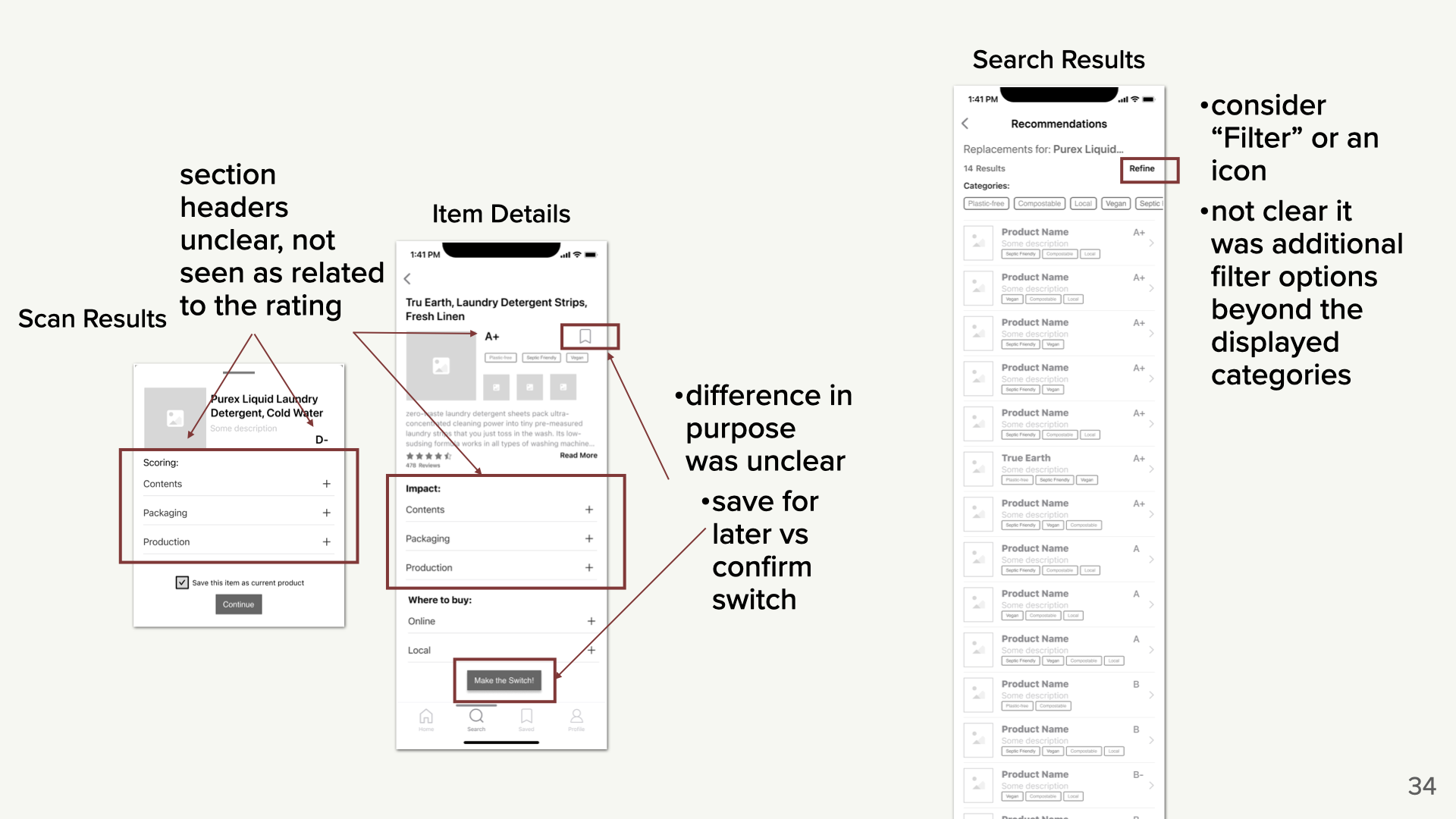
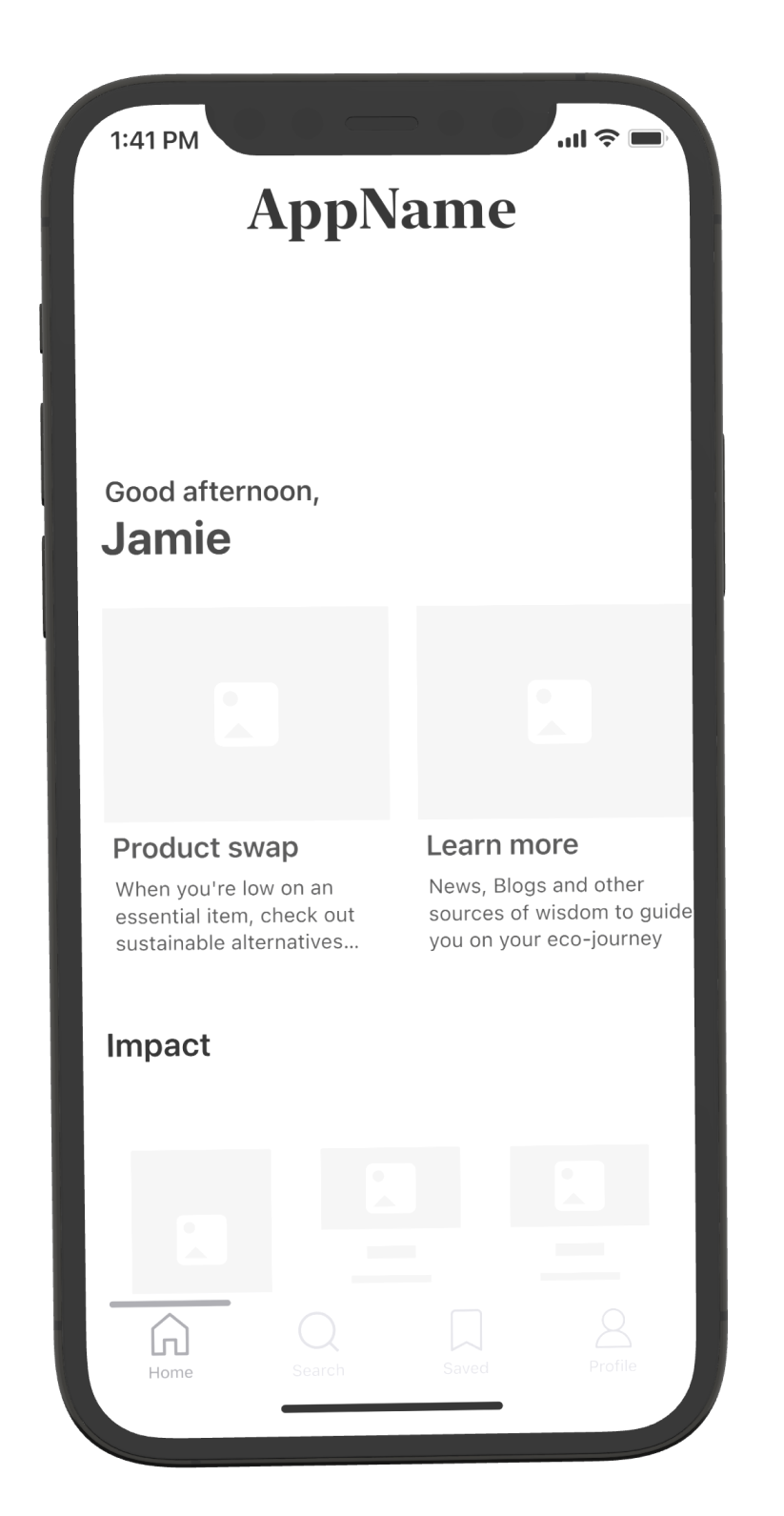
Based on my sketches I translated them to greyscale wireframes and added the interactions to complete the V1 prototype, ready for user testing.
Wireframes:
Branding
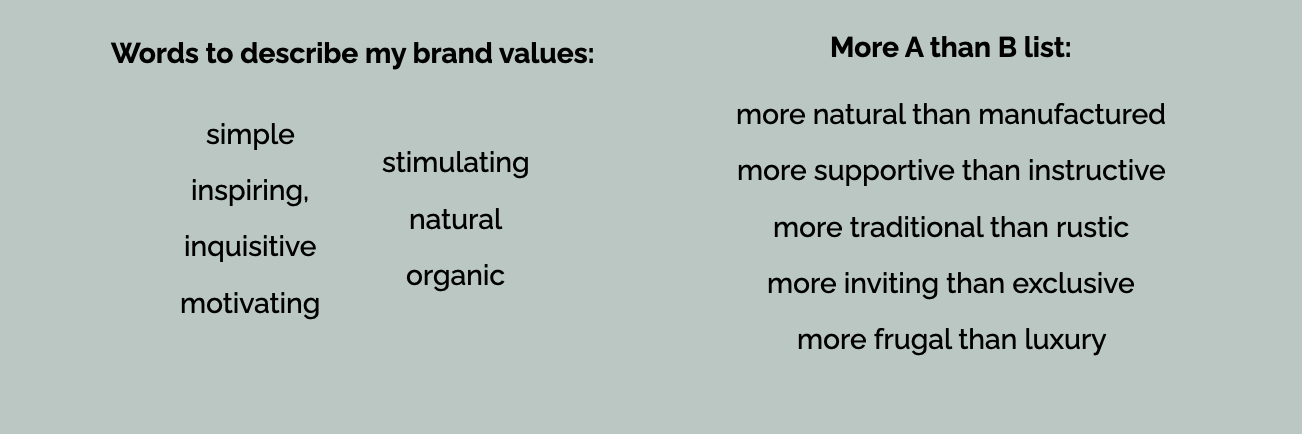
Initial brainstorming my brand led to the following descriptors and more A than B list. I then looked to expand on the list of words to see if any were a better fit
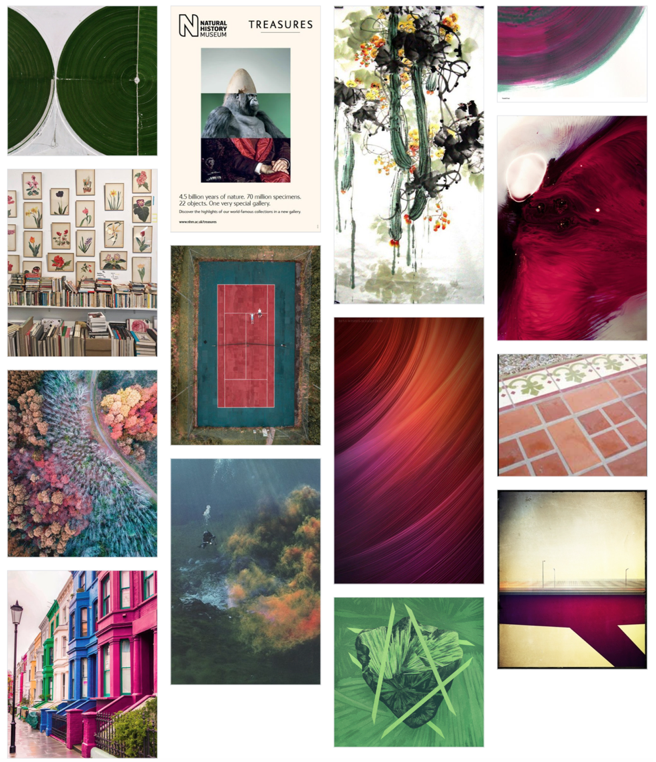
Moodboard
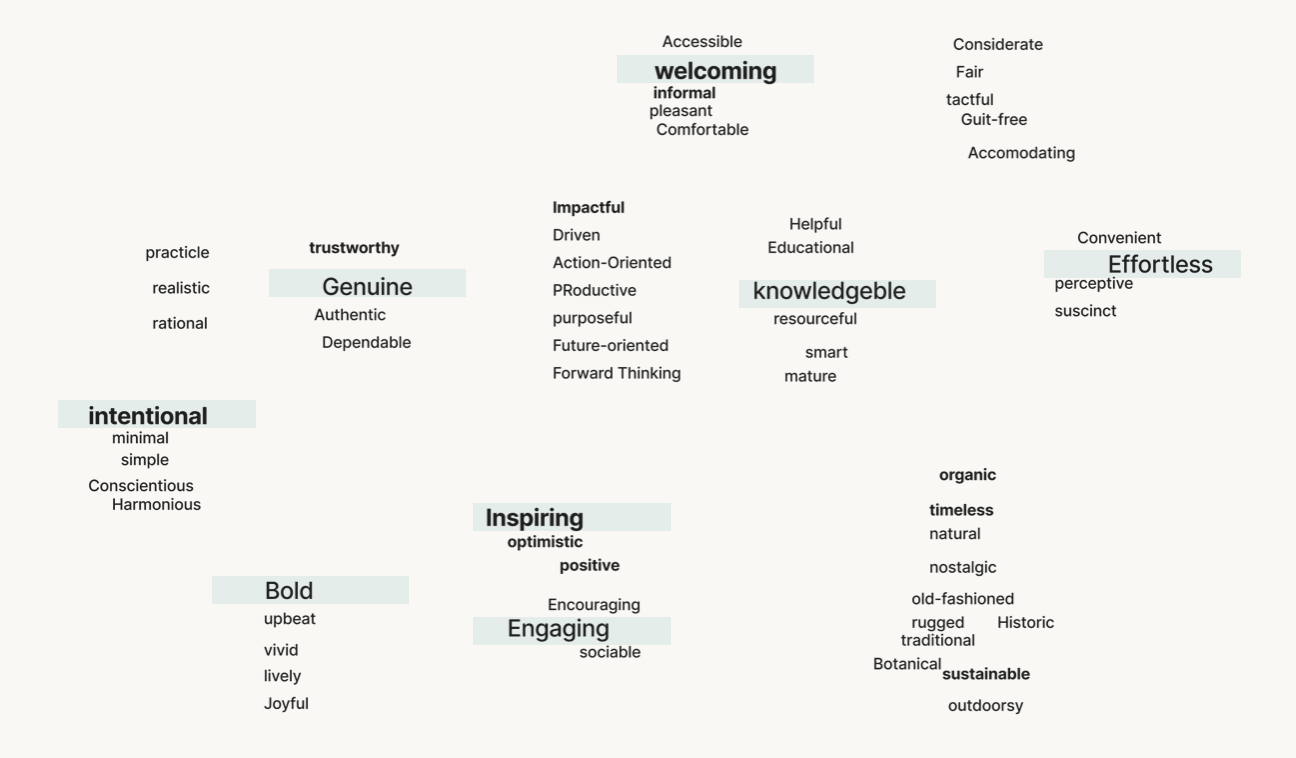
With my expanded list of words, I grouped and selected the words that best fit.
‍
intentional
welcoming
bold
effortless
inspiring
genuine
engaging
knowledgeable

supporting words:
positive, informal, trustworthy, positive, impactful, timeless

I curated a moodboard with these feelings in mind. The word that resonates the strongest throughout the images to me is intentional.

There is purpose to the shapes and the textures. Intentional is one of the most important feelings as the app aims to help users be intentional with their purchasing habits and daily living.

‍
Naming
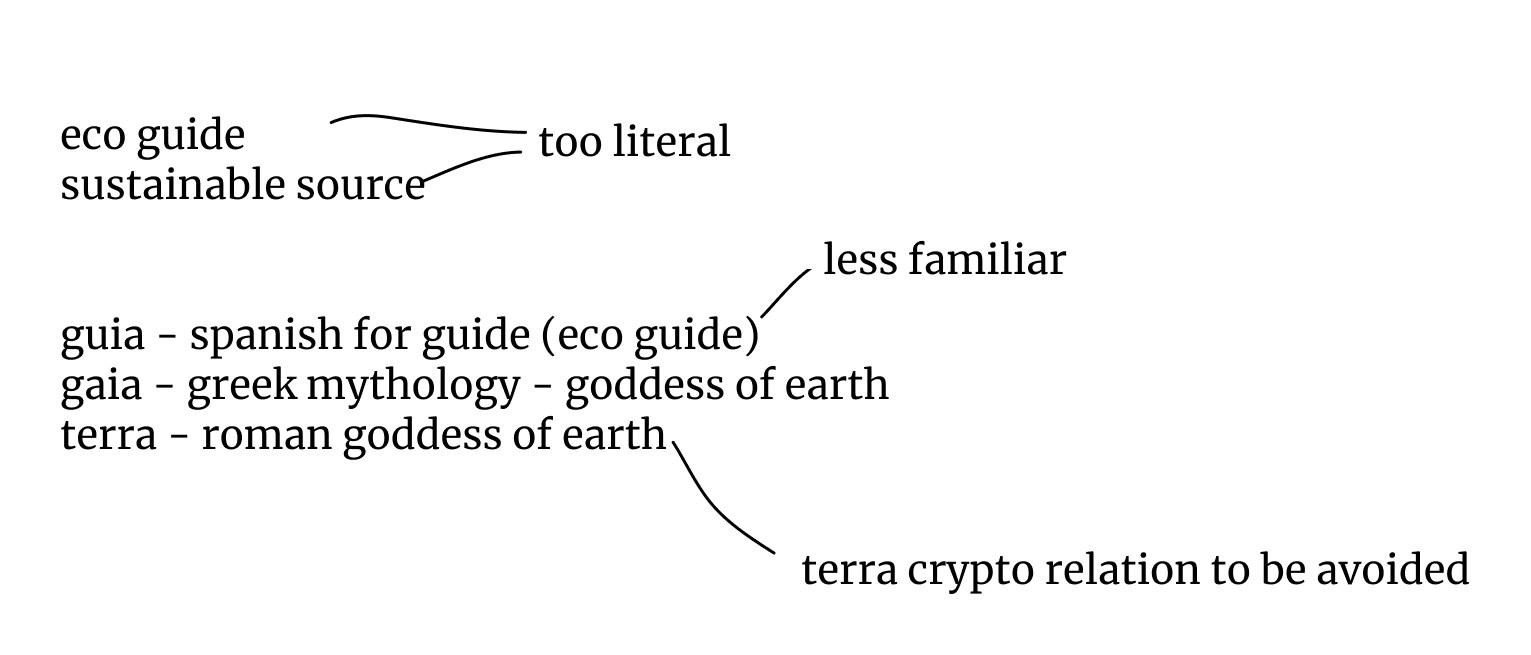
Taking inspiration from Nike's naming story, combined with the brand word exercise (botanical, organic) the name Gaia was found.
Colours
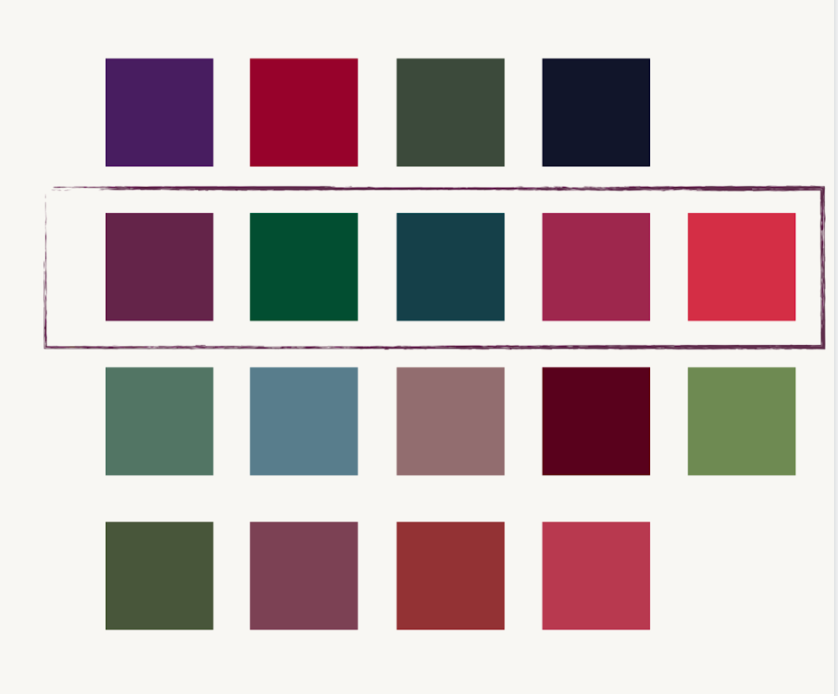
Given the earth friendly premise of the app, I wanted to used colours found in nature by using shades that could be found in the moodboard images, but also just as easily found in an orchard or garden.
Wordmark and Logo
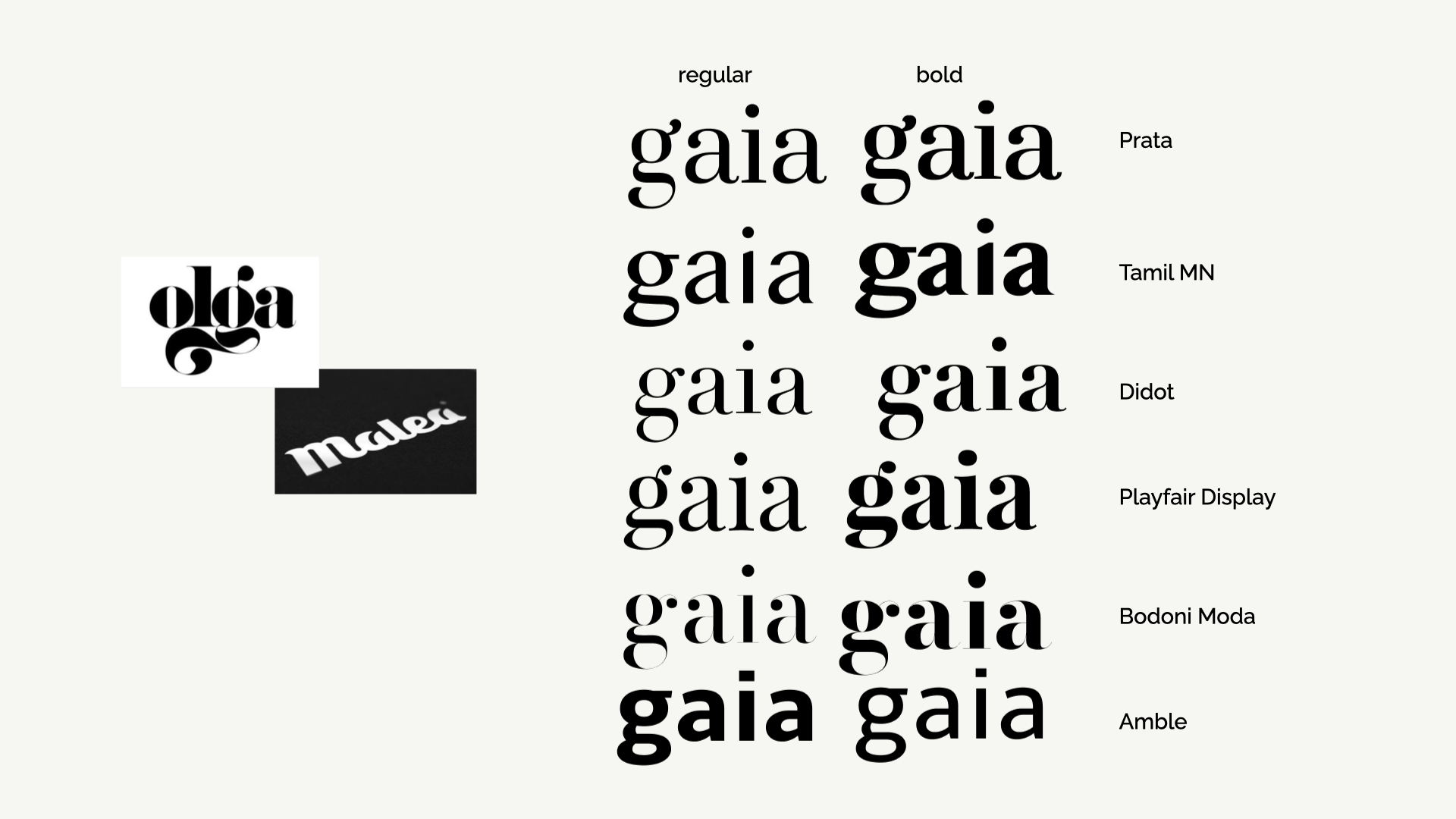
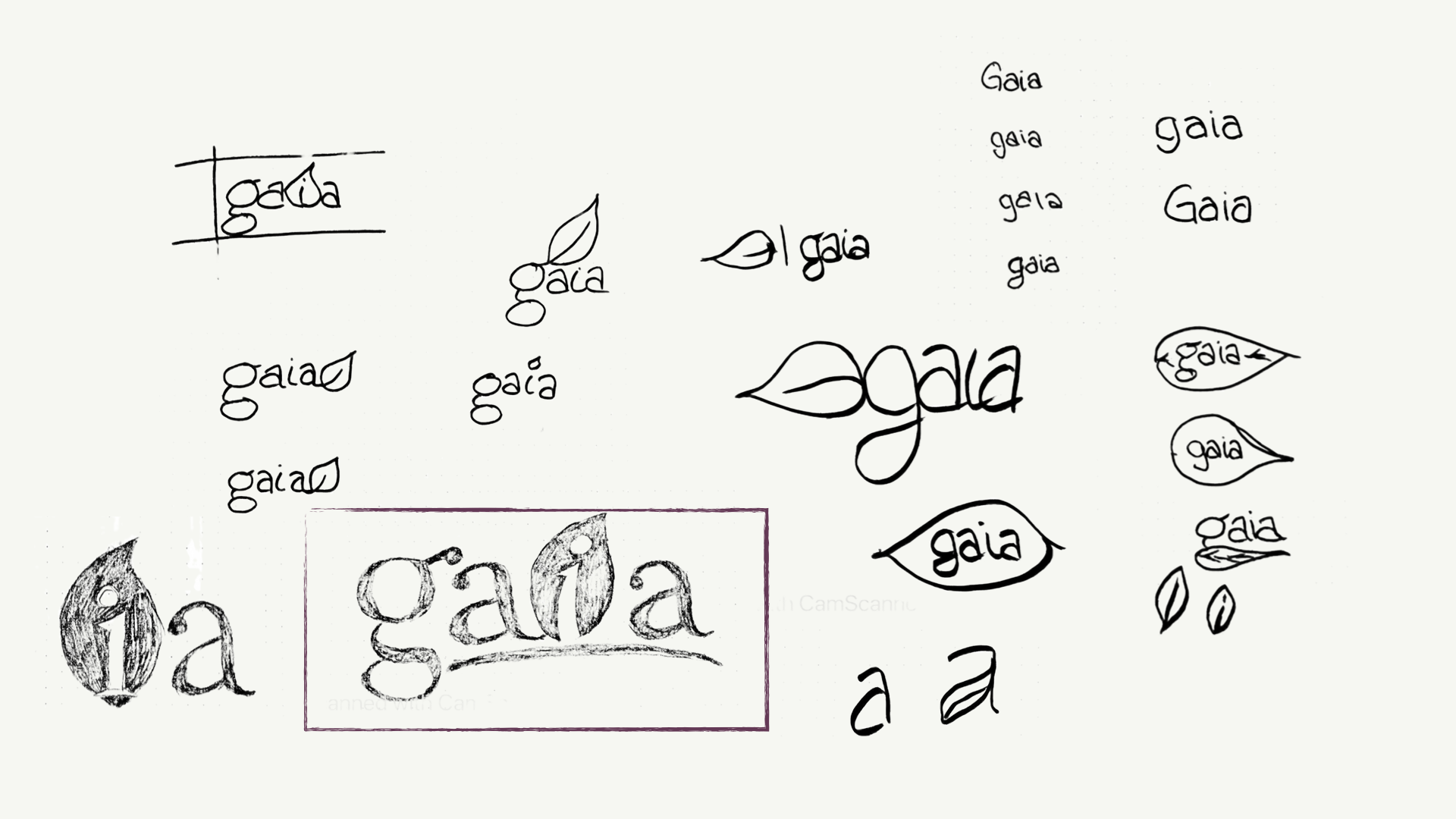
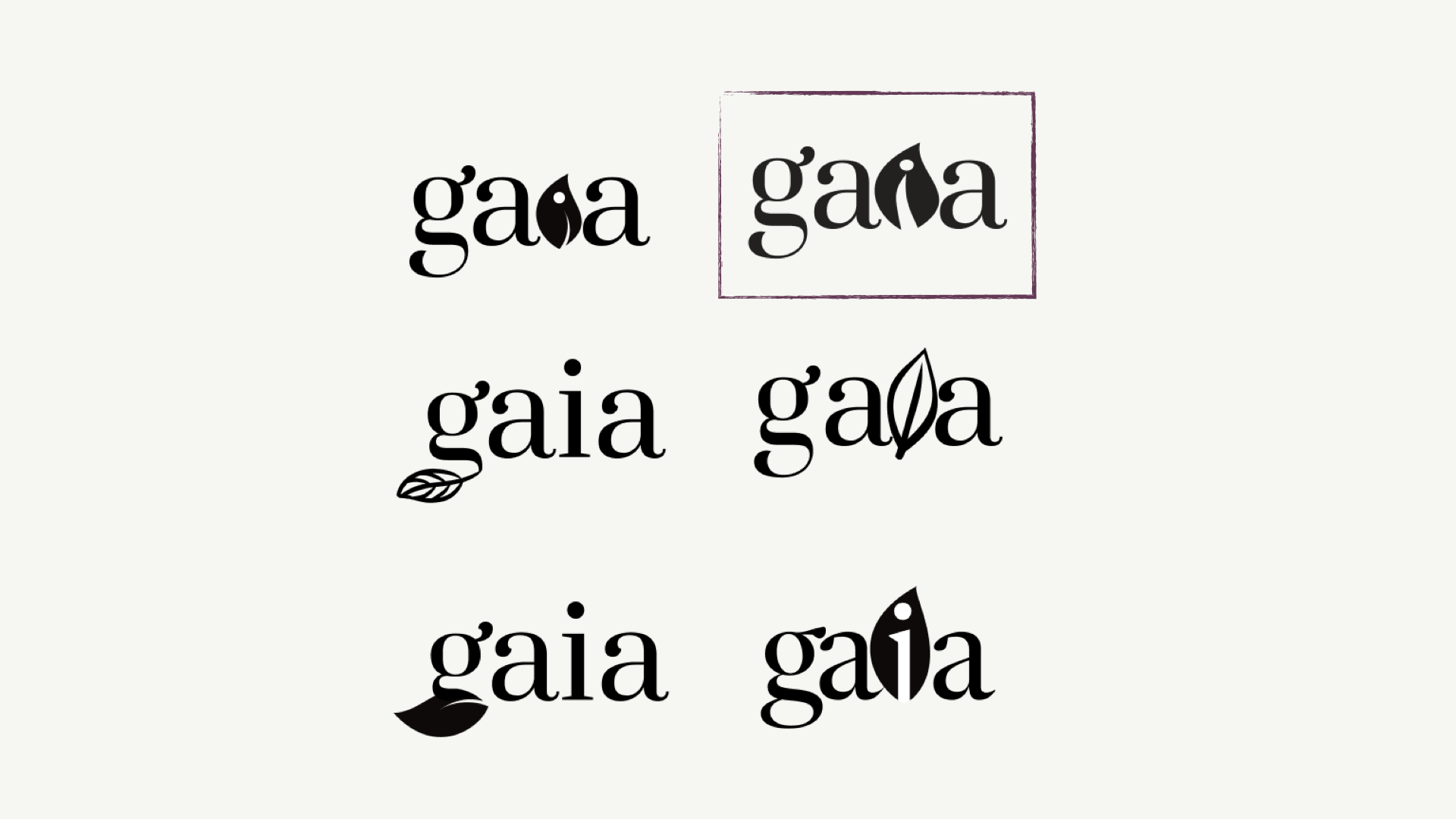
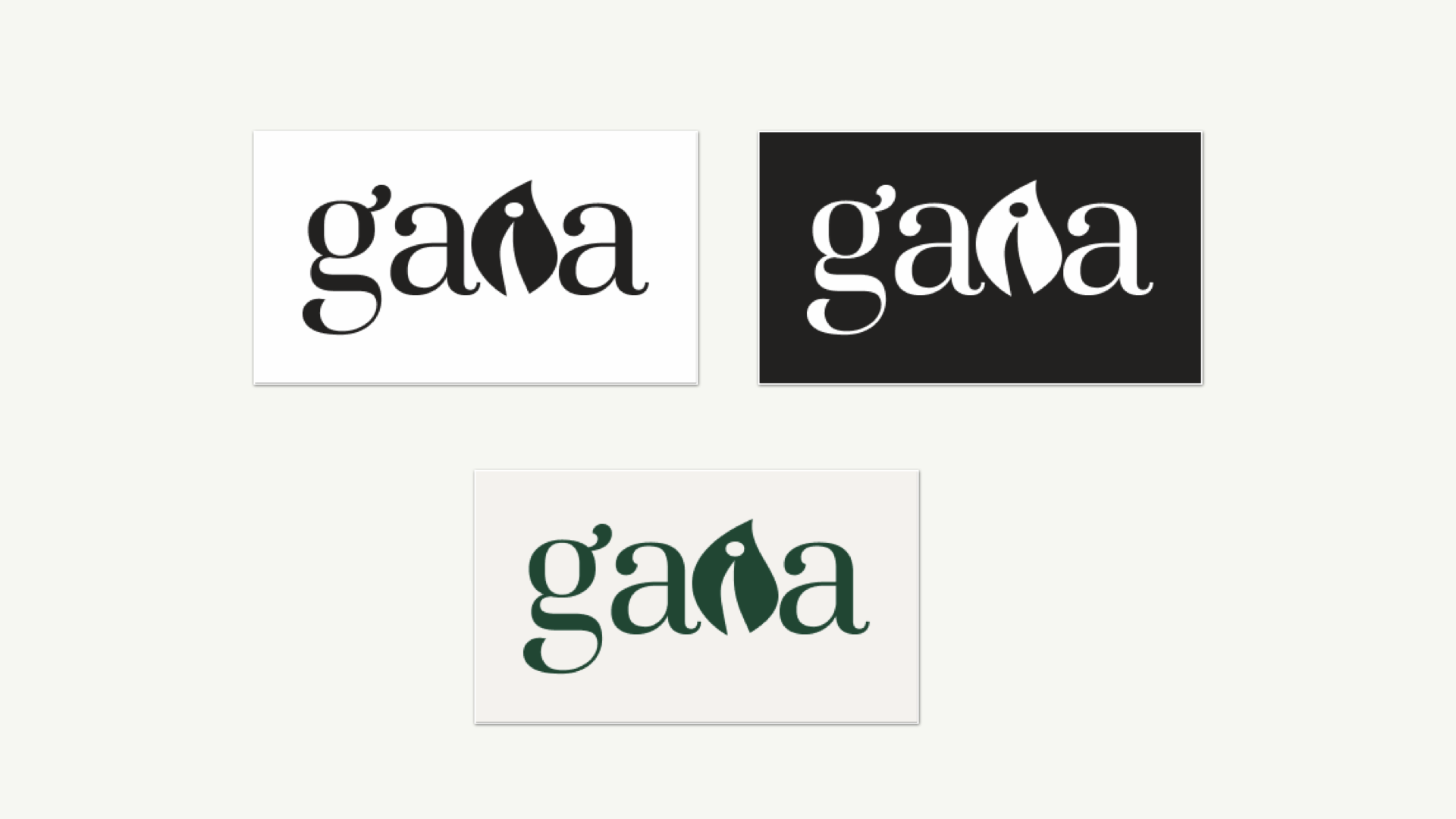
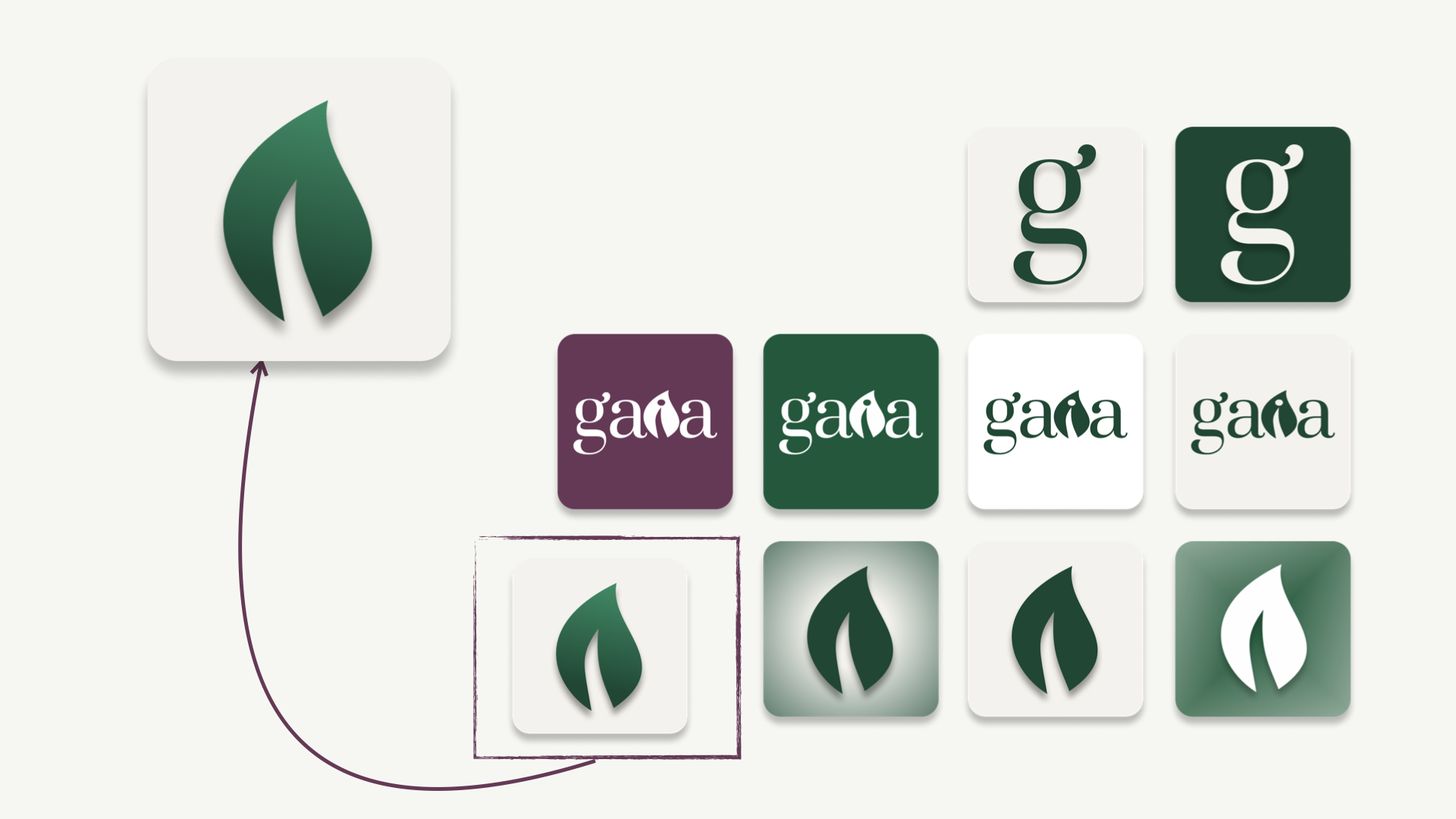
For the wordmark and logo I began with the type inspiration and proceeded from sketching  through to adding the eco leaf flair.
Process:
Colour Injection
During the colour injection process, I realized that while the colours went with the moodboard, it was drifting away from the core values.

Too many natural colours in a digital platform felt the opposite of natural or eco-friendly.

I decided to lean more towards mainly neutrals.

Deliver

HiFi Prototype
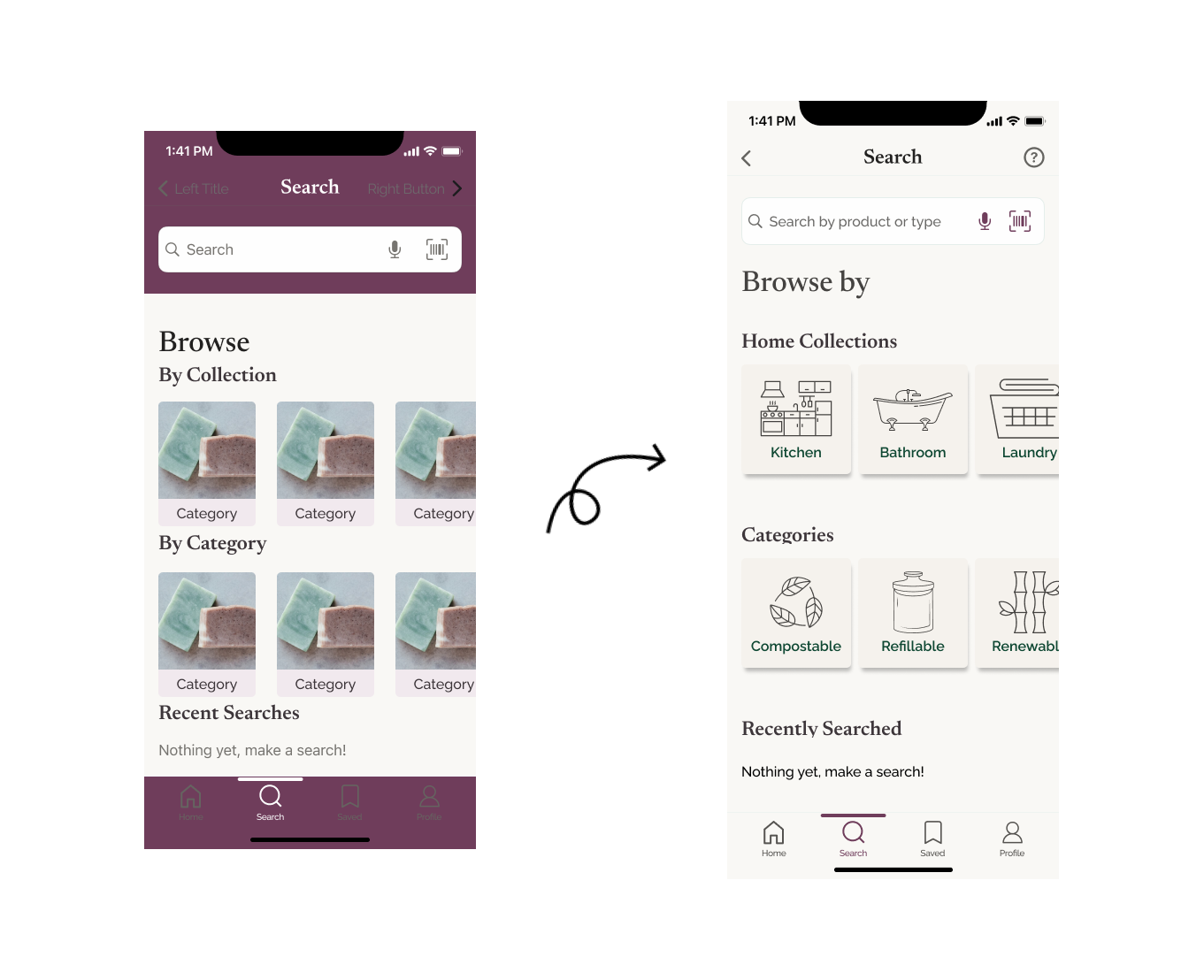
With the branding created, and the grayscale tested, it was time for the HiFi prototype.
HiFi Prototype
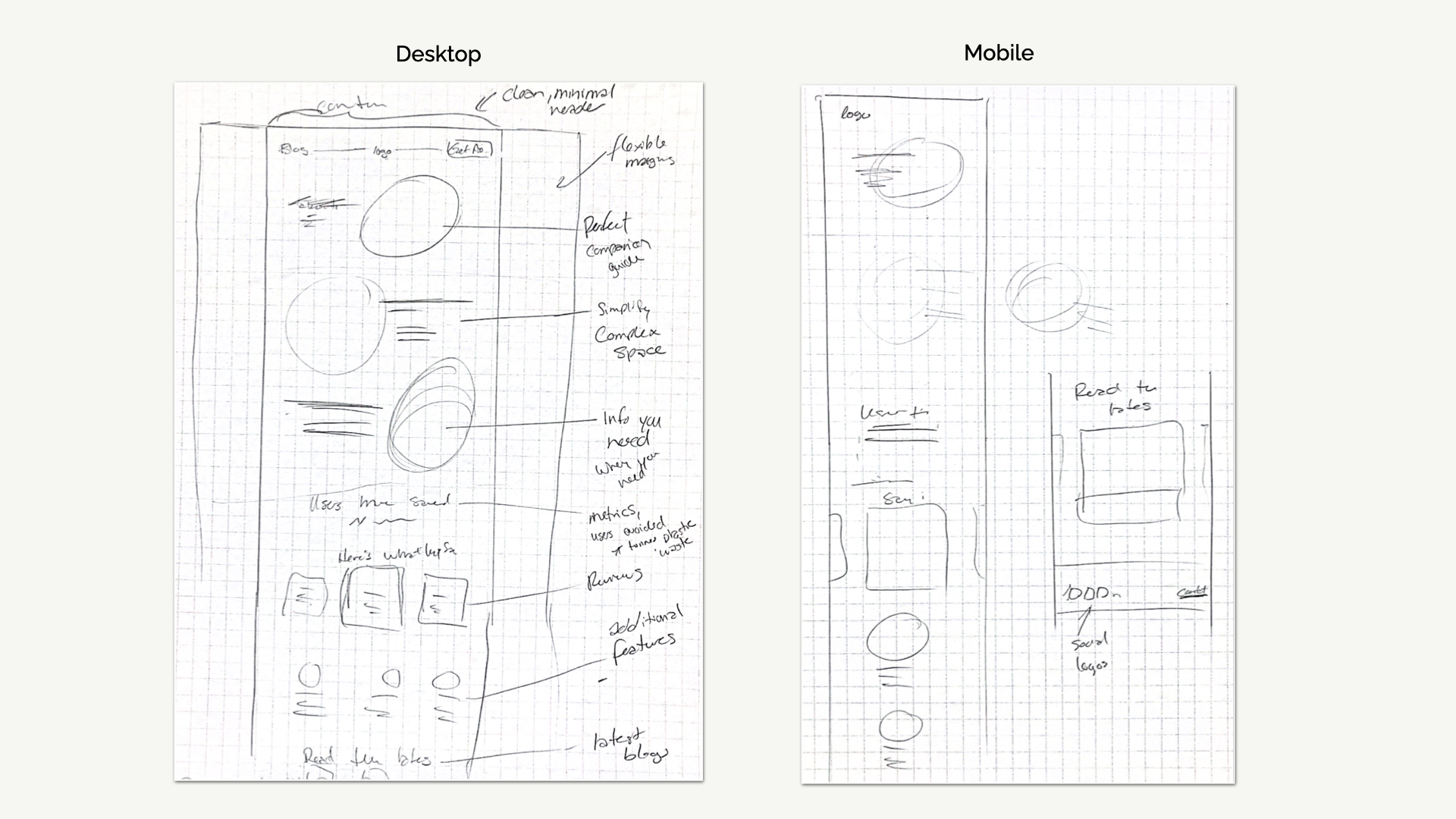
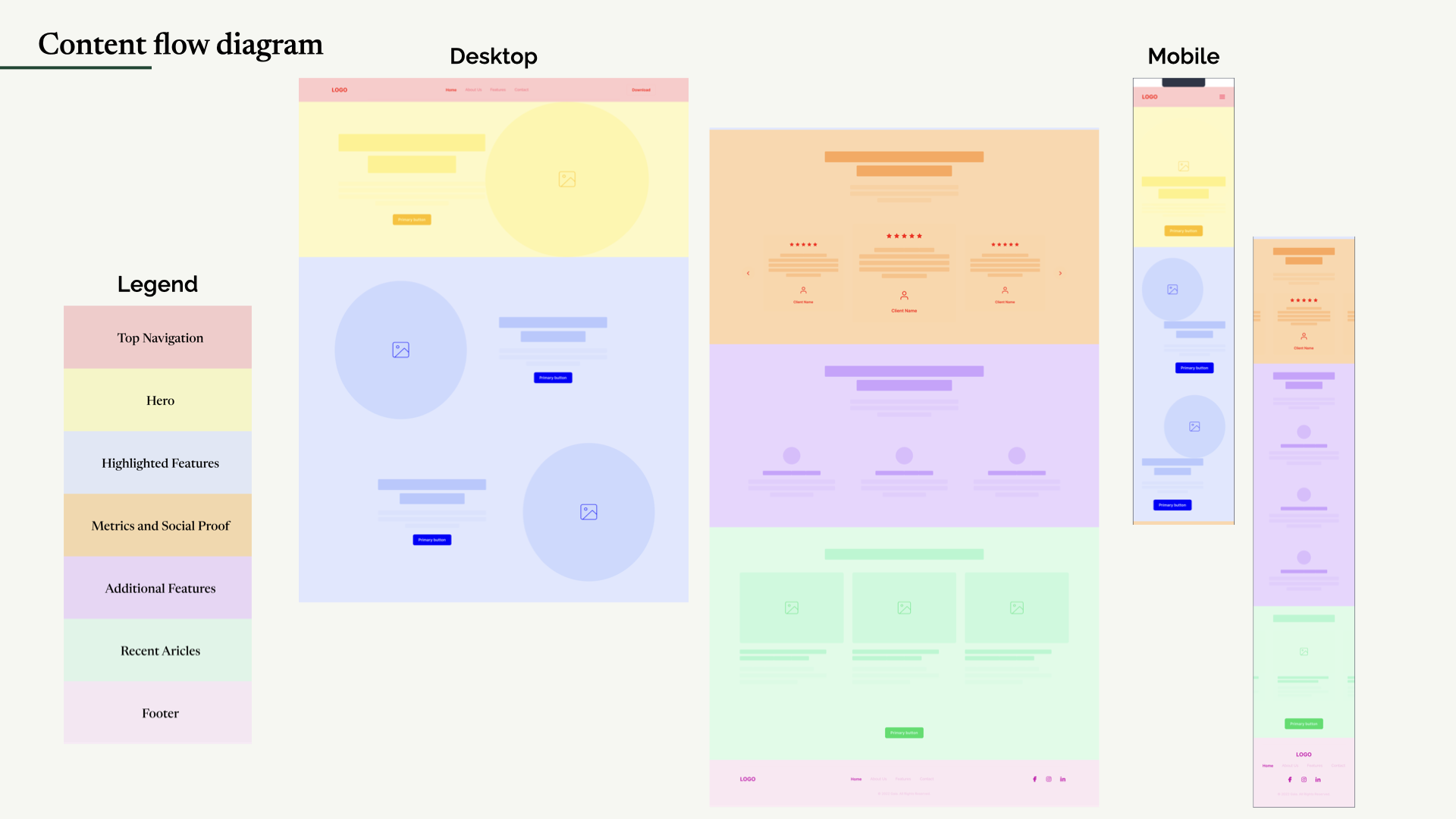
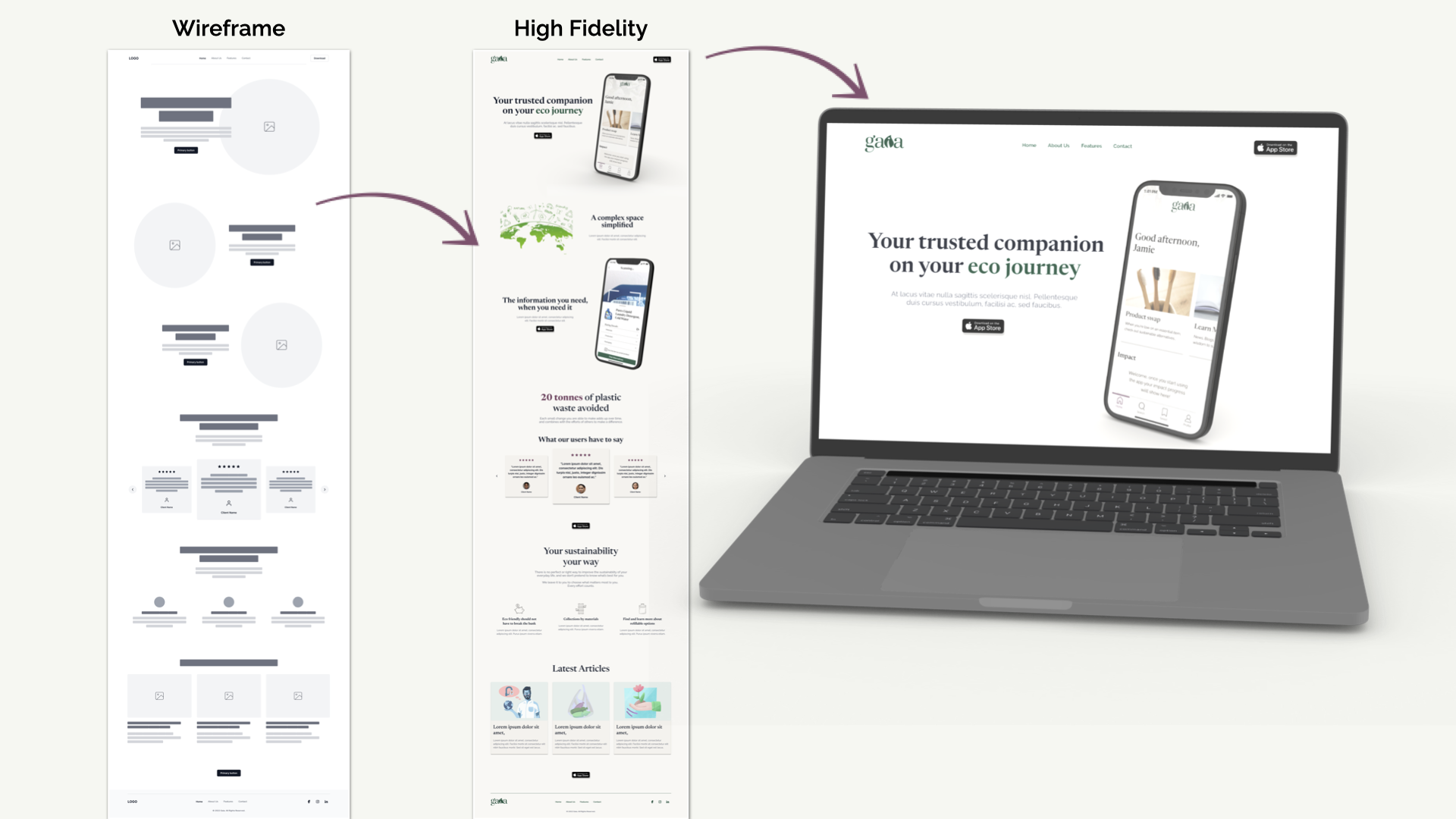
Marketing Website
With the HiFi prototype complete, it was time to consider how to showcase this app to potential users. I looked at the marketing sites for other apps and products for inspiration.

It was important to highlight the convenience, but also the calm supportive feel, rather than the aggressive prescribed nature of some other sustainable products.
Marketing InVision Board

Process:

Final Thoughts

Next Steps
I would like to continue testing and refining the existing feature, and then begin the process for continuing to build out the remaining features.

To refine the product search, I would like to build out the ratings system in more detail and perform some card sorting to improve the Information Architecture of the product details. These pieces will be essential for users determining which products are right for them and fully bringing the search to life.
Key Learnings
This was an intense process, but that said, I also learned a whole lot along the way. Here are a few learnings I'll be taking forward:

First and foremost, scope creep is a big issue. Repeatedly through the process of researching and designing I had to stop and take stock of what was feasible given the time and resources available

Second, some of the most powerful design elements can be really simple. Take for example the naming exercise, lots of effort went into building out ideas and reworking them to represent the concept exactly and be unique only to scale it back to something simple, timeless, and recognizable

Finally, I learned the value of staying flexible. At several points, especially with the early research, I was surprised by how the feedback I received challenged internal biases that I hadn't recognized in my assumptions. Instead of letting this stand in my way, I soaked up the new information and pivoted - and I'm happier with the end product as a result of the challenges and changes along the way!